Allison and Roberto Mignone Halls of Gems and Minerals
The Mignone Halls of Gems and Minerals tell the fascinating story of how the vast diversity of mineral species arose on our planet, how scientists classify and study them, and how we use them for personal adornment, tools, and technology. The galleries feature more than 5,000 specimens from 98 countries.
These halls are included with any admission.
Signature Mineral Specimens
Sterling Hill Slab
This slab of rock from Sterling Hill Mine in Ogdensburg, New Jersey, showcases some of the 90 spectacular fluorescent minerals species found at Sterling Hill and neighboring Franklin deposit.
Spectacular Stibnite
This stunning 838-lb (380-kg) specimen is one of the largest stibnites on public display in the world. The bladelike crystals grew to such lengths because they formed in a large underground cavity. Find out more about how minerals form in hydrothermal environments.
Luminous Labradorite
This 3,000-lb (1,400-kg) block of igneous labradorite is extraordinary not only because of its spectacular iridescence, but also because of its uncommonly large crystals. Learn more about igneous environments like the one where this mineral formed.
Amethyst Geode
One of two giant amethyst geodes displayed in this hall, this specimen features quartz that formed nearly 135 million years ago in a hydrothermal process, which requires hot water to transport dissolved minerals.
Singing Stone
This massive block features vibrant blue azurite and green malachite, both copper ore minerals. It was collected in 1891 from Bisbee, Arizona, a vital source of U.S. copper, and arrived at the Museum in 1894. It formed through a weathering process.
Behemoth Beryl
This 5-foot (1.5 m) crystal section is one of the largest beryl crystals in any museum in the world. It comes from a pegmatite, a special kind of igneous rock that produces large crystals, the final product of some cooling magmas.
Metasequoia
This slice of petrified dawn redwood from central Oregon turned to stone after being buried by volcanic ash. The volcanic debris enriched the groundwater around it with silica, which mineralized the wood.
Gargantuan Garnets
The giant garnets in this 14,500-lb (6,577-kg) slab formed more than 1 billion years ago, when the original rock was buried 16 miles underground in upstate New York, and transformed by heat and pressure. Find out more about how minerals form in metamorphic environments.


Hall of Gems
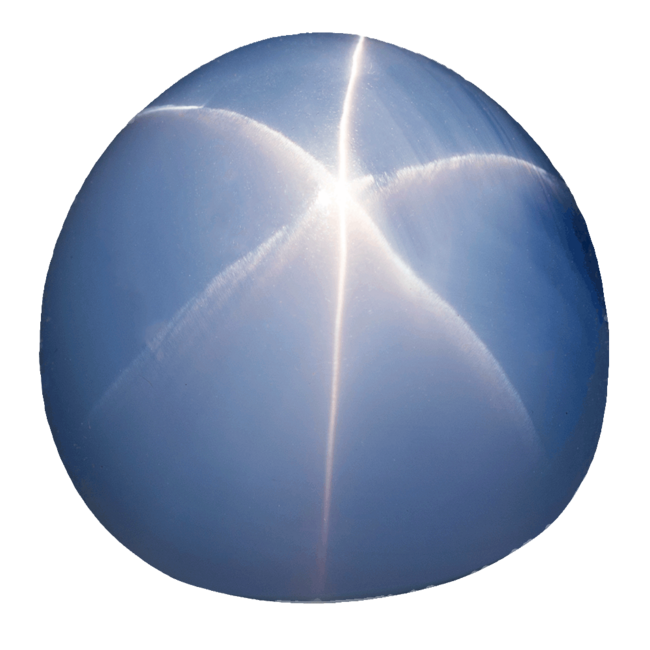
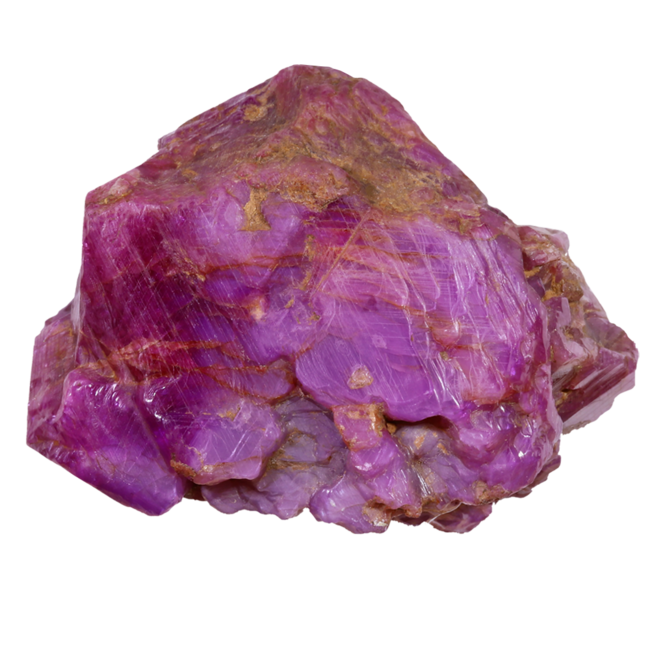
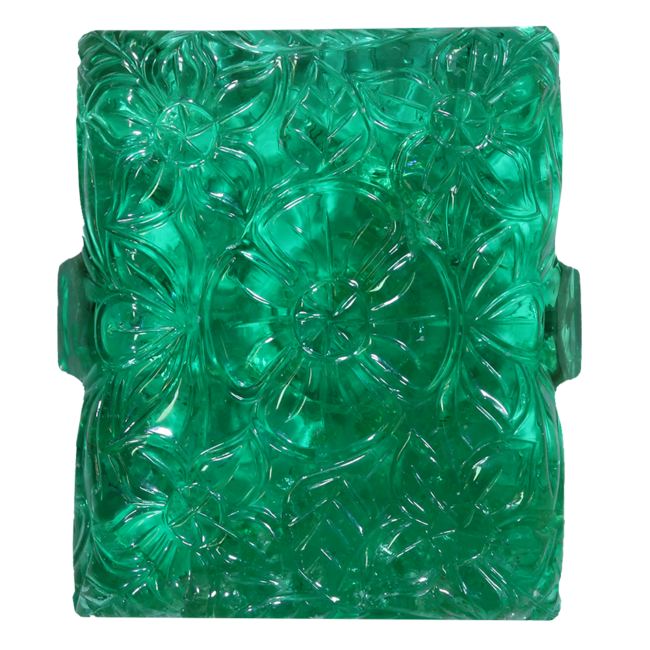
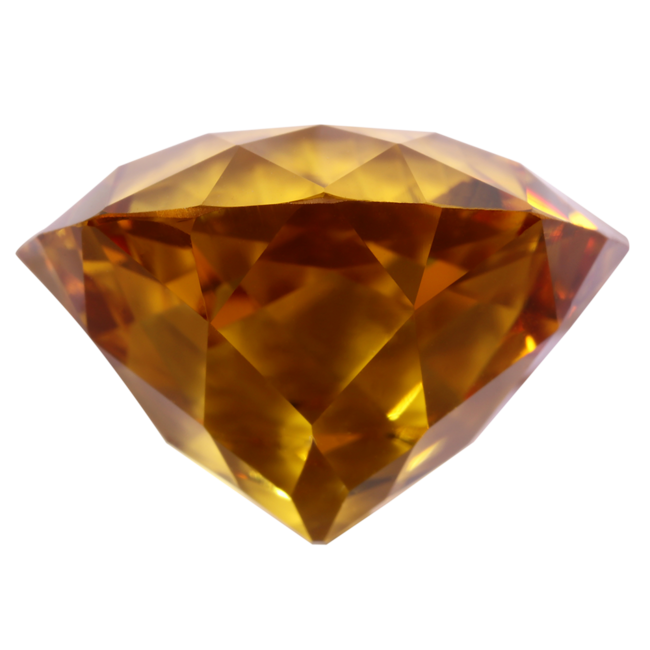
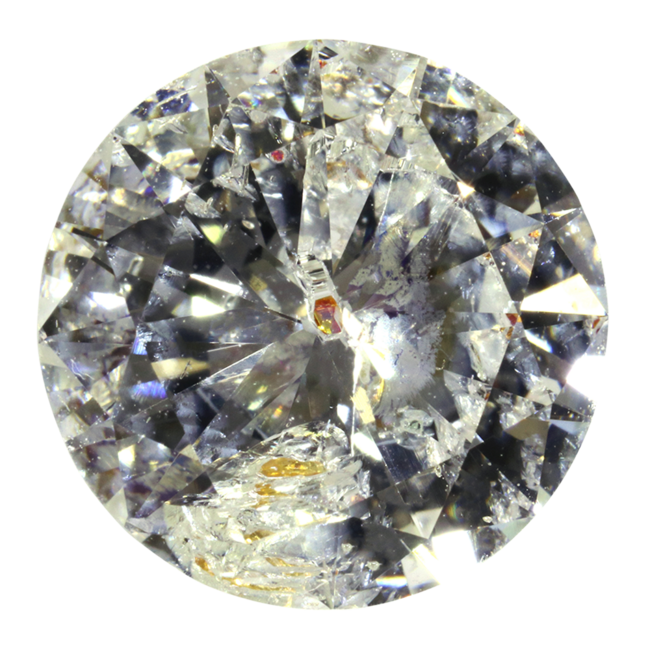
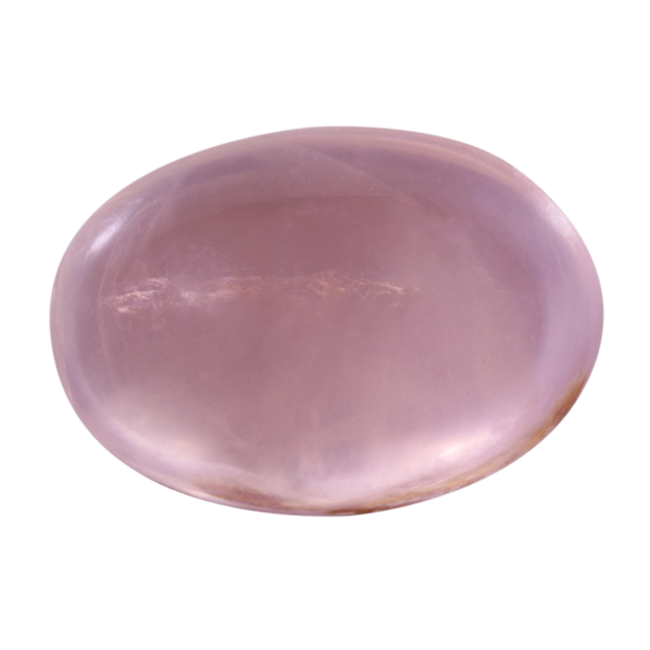
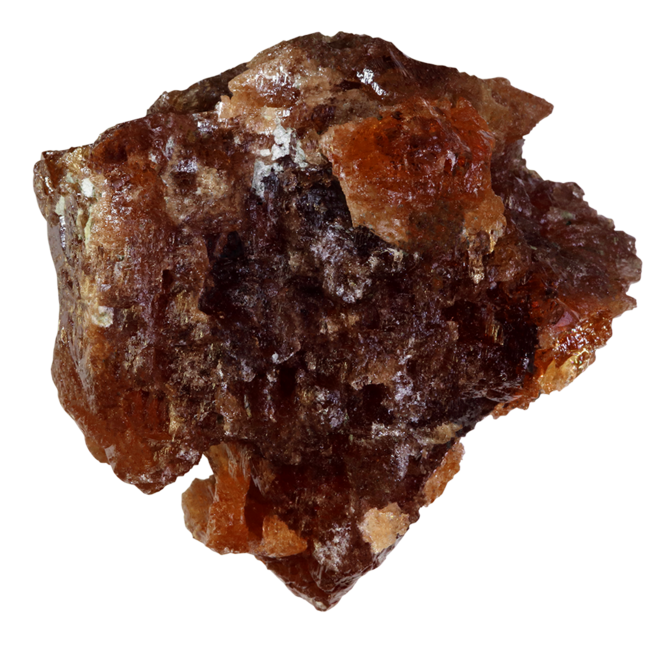
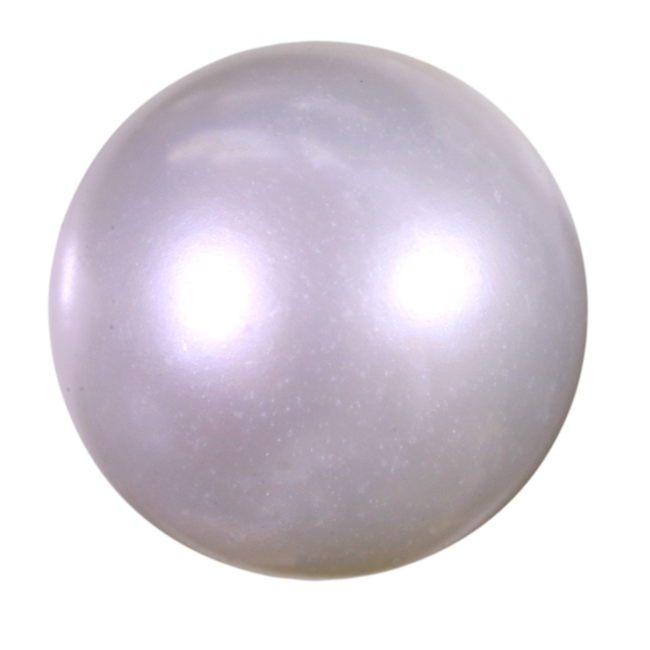
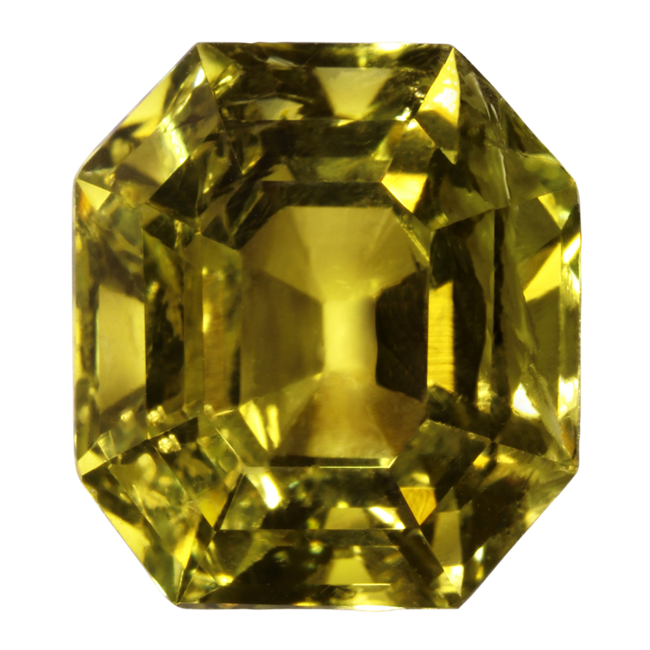
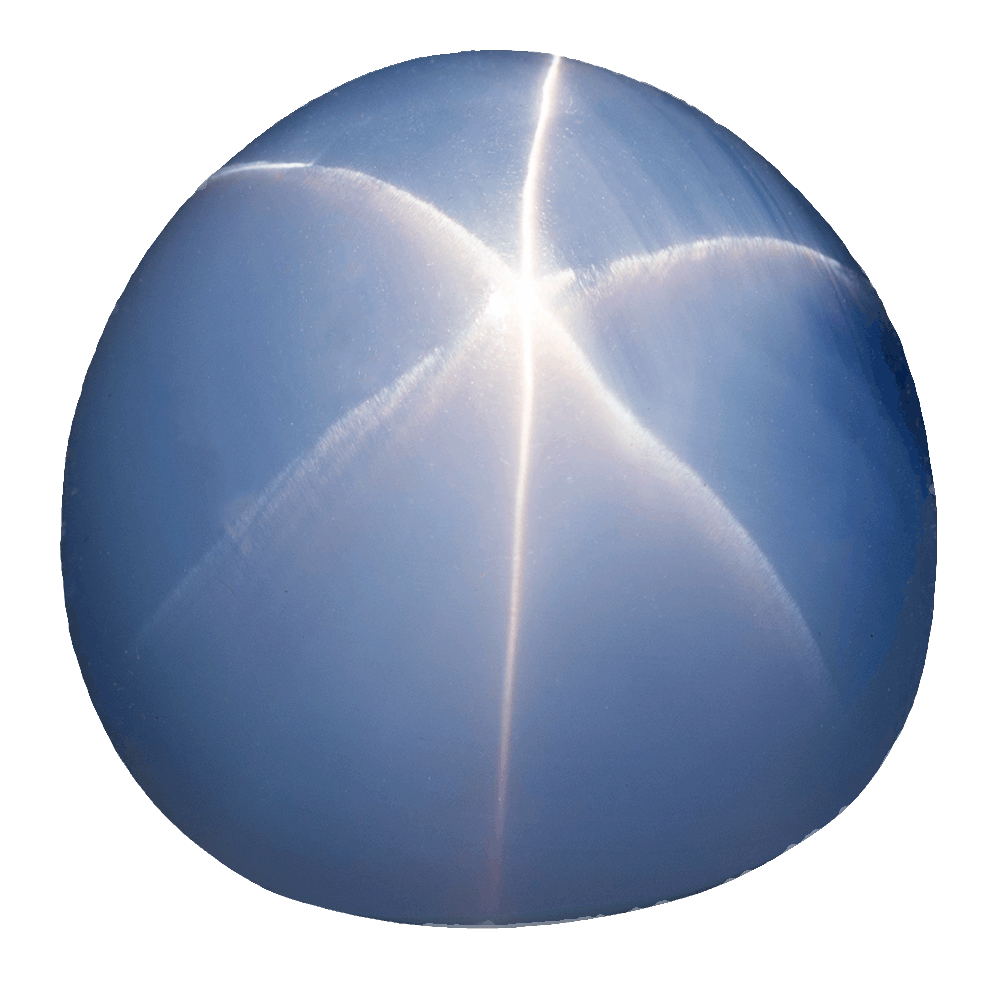
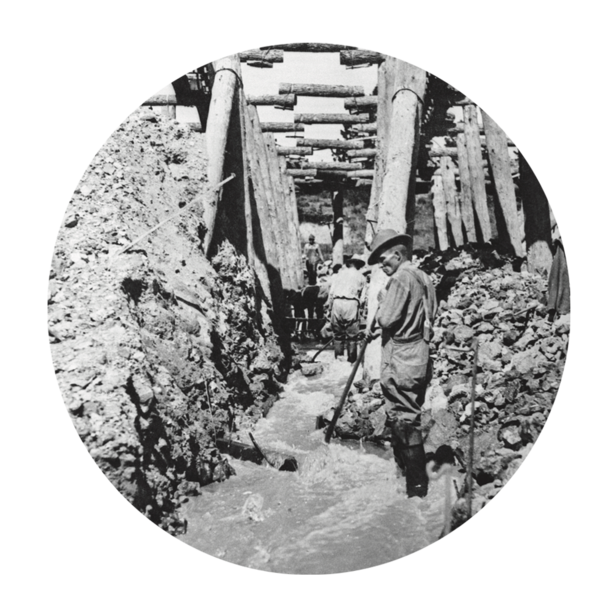
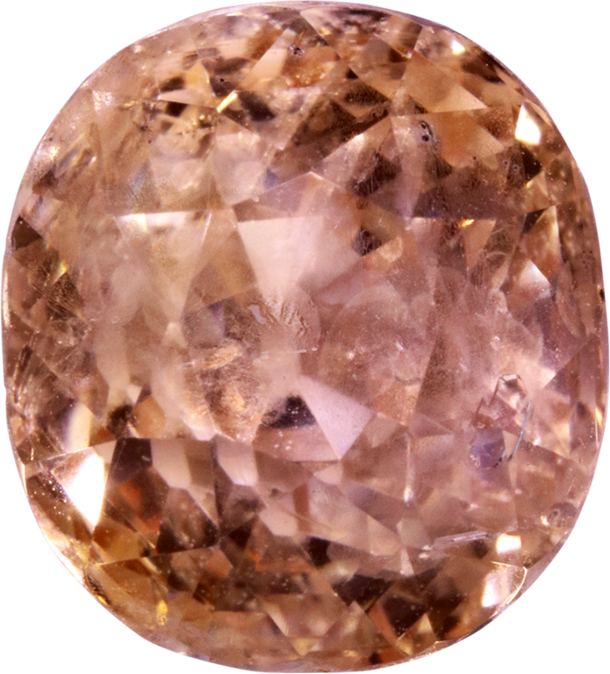
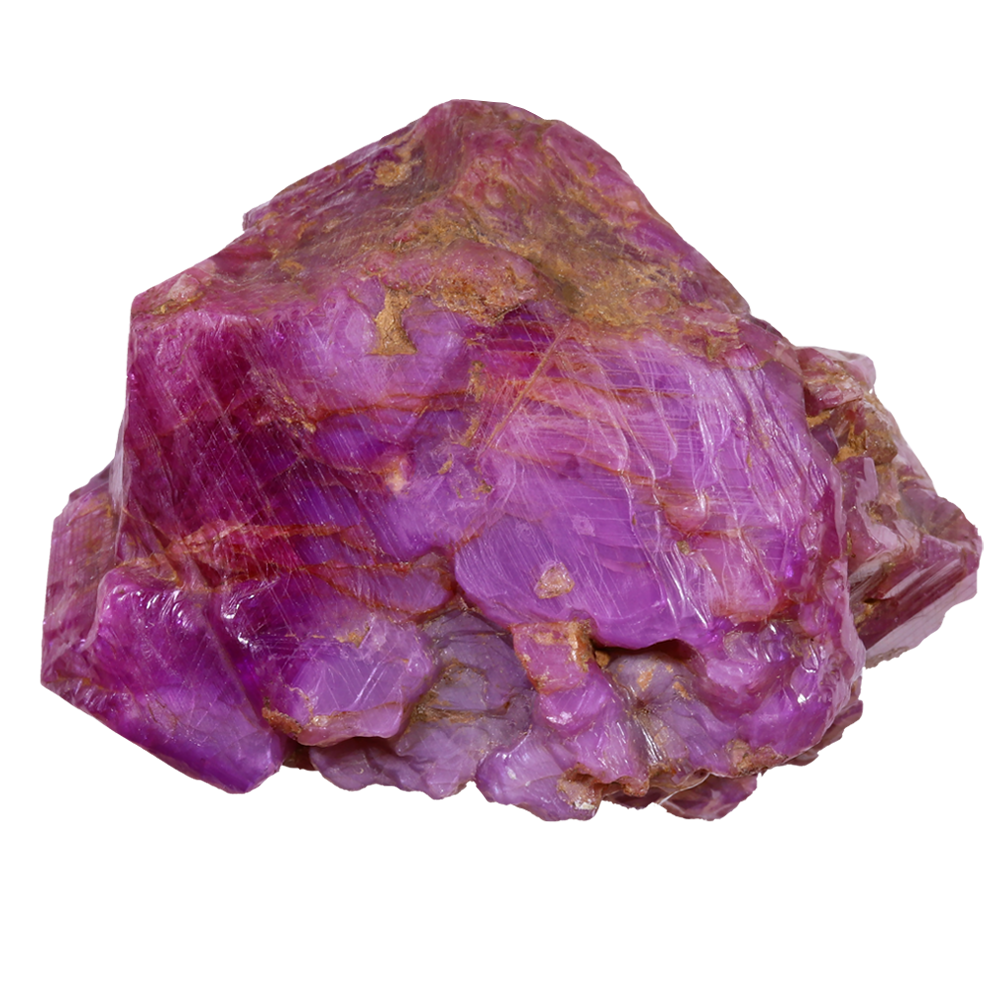
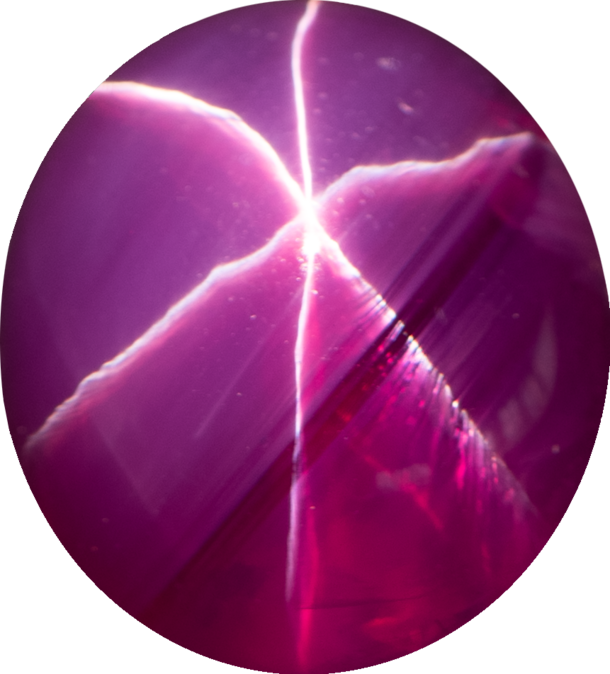
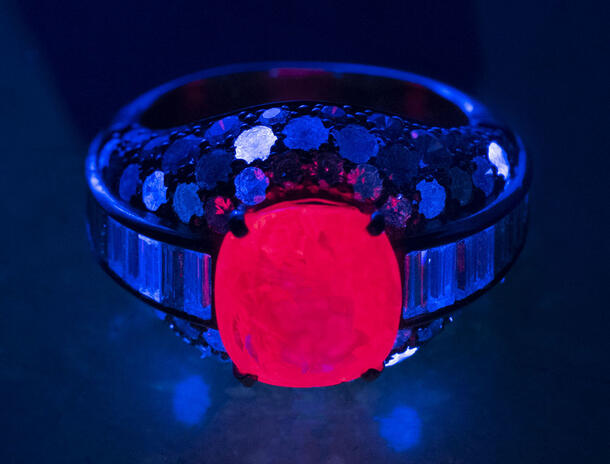
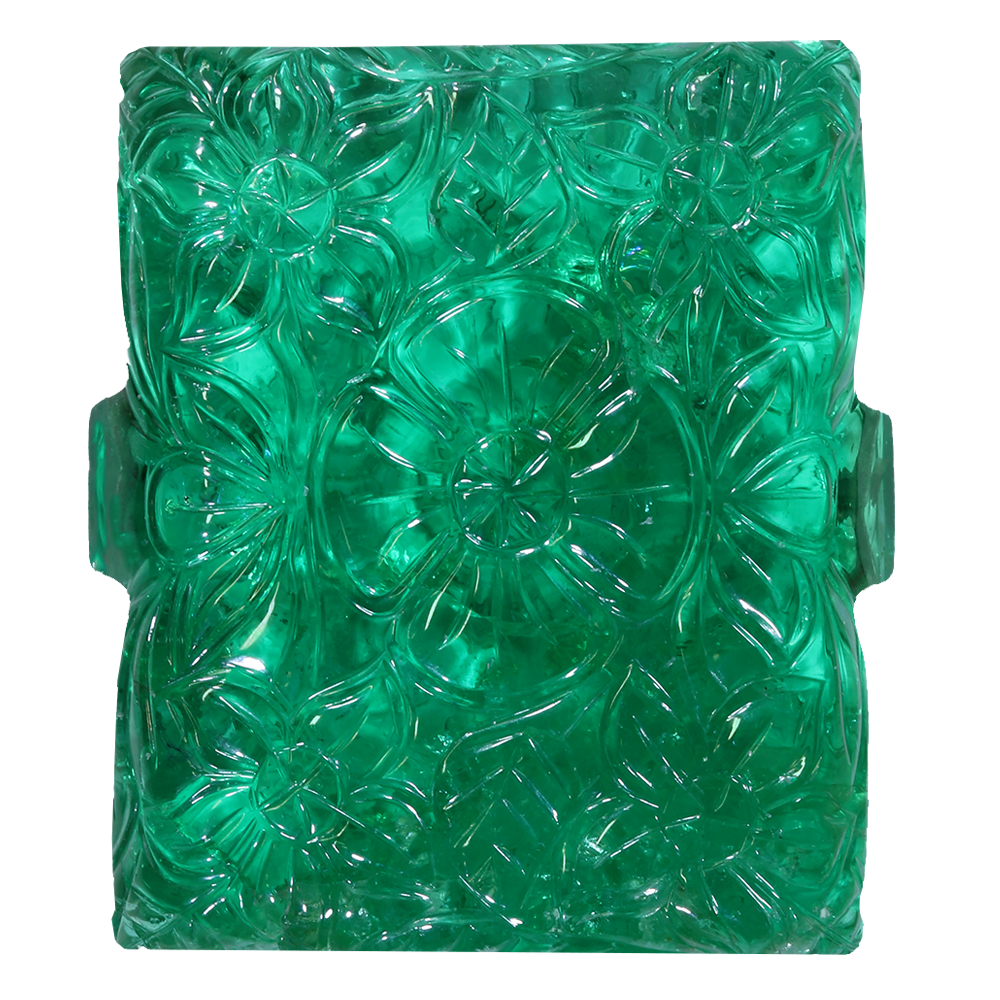
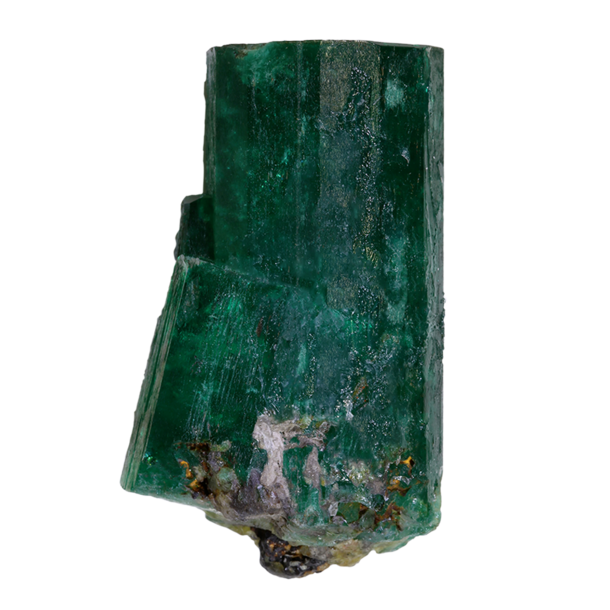
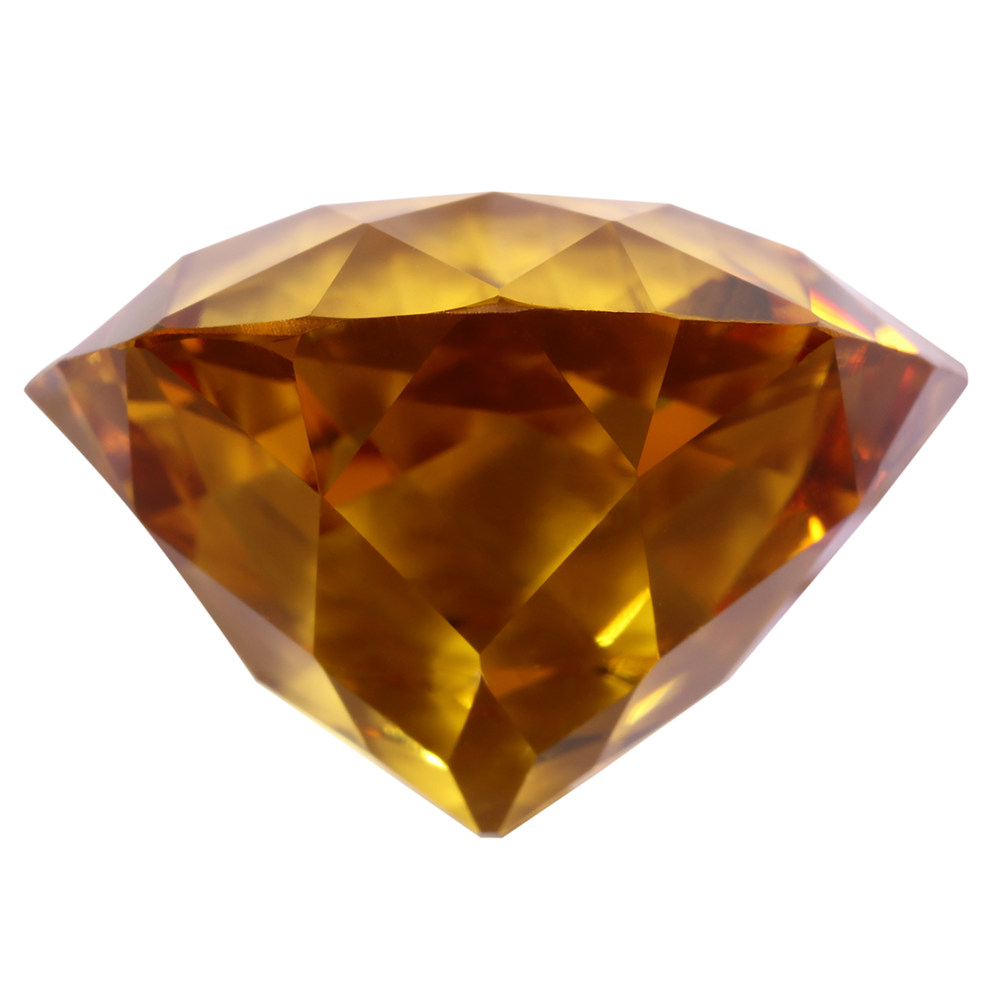
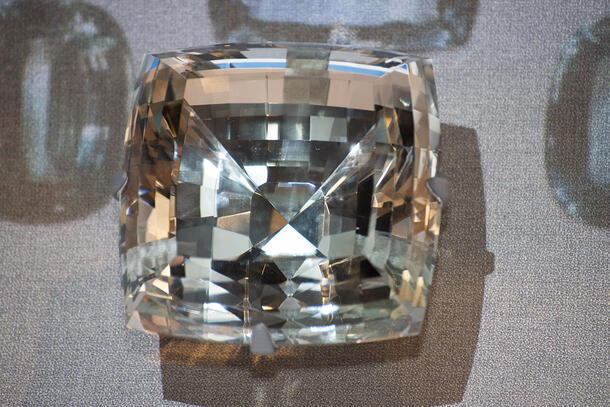
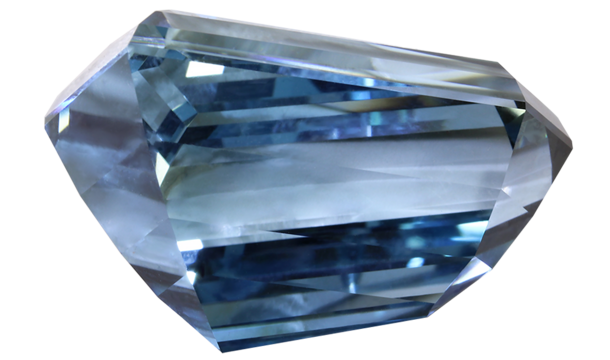
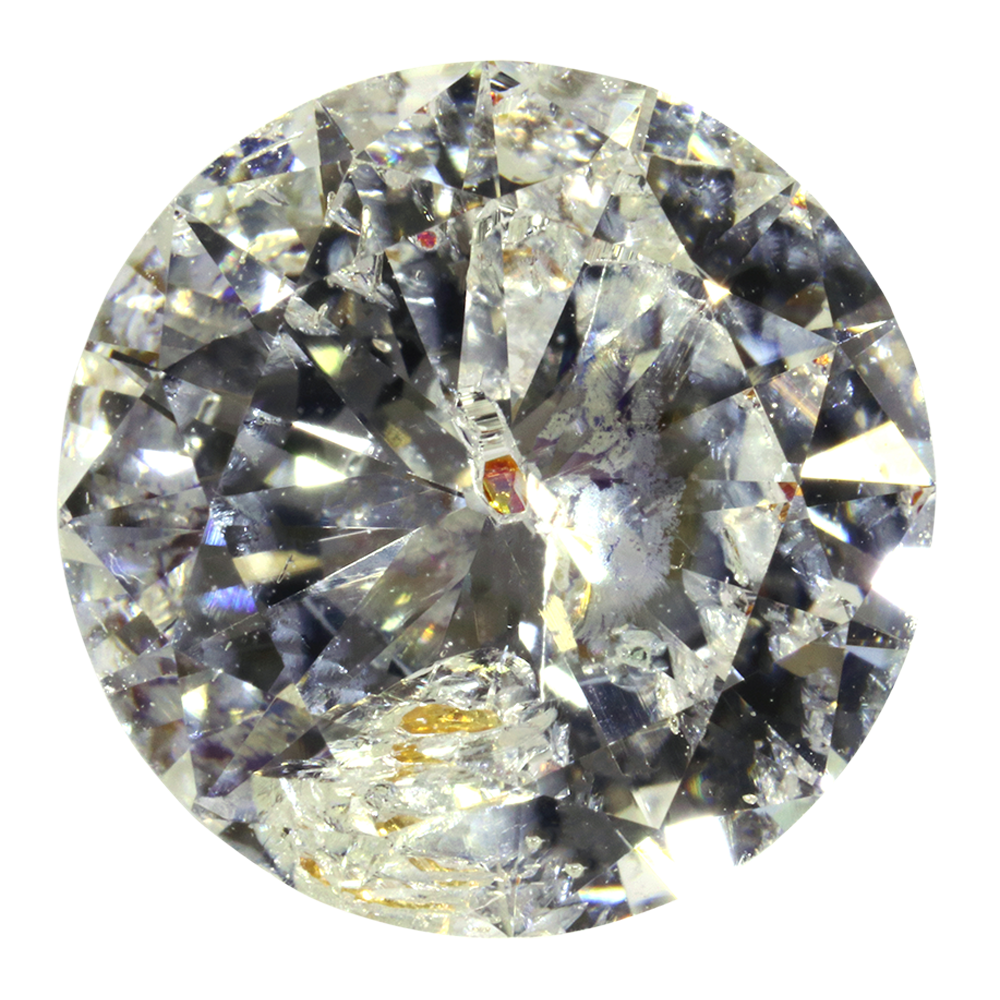
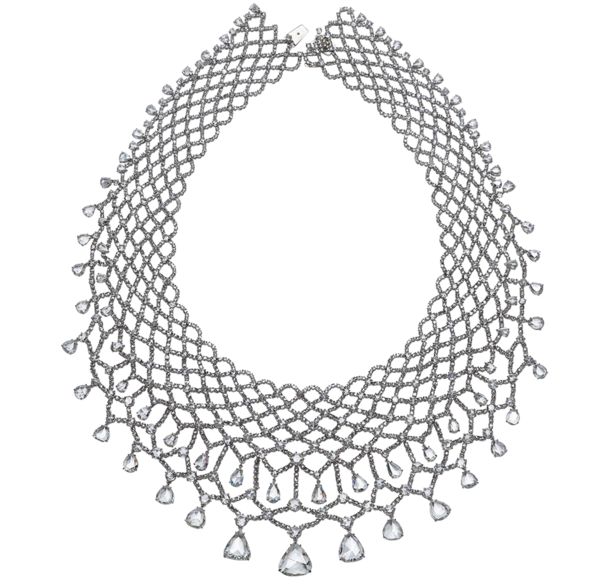
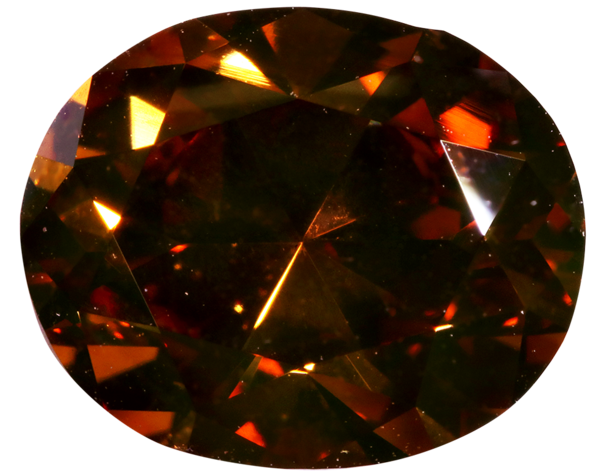
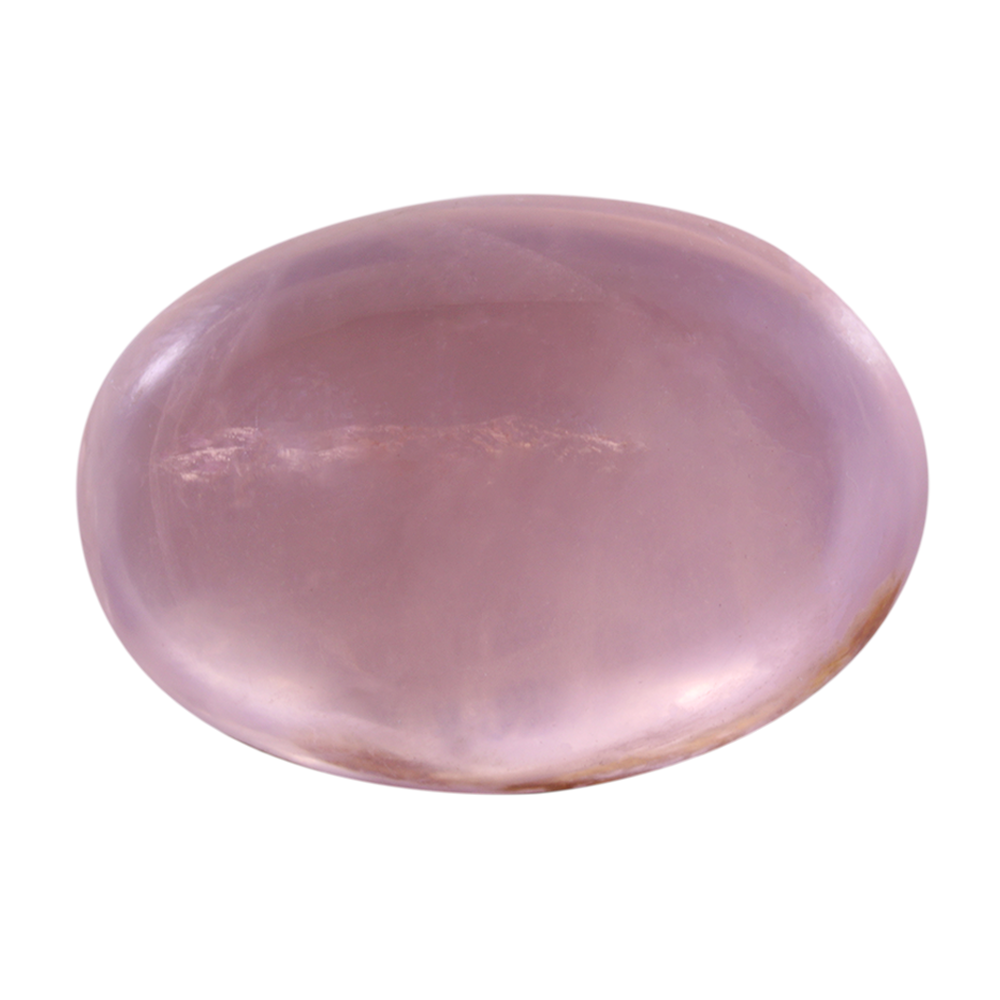
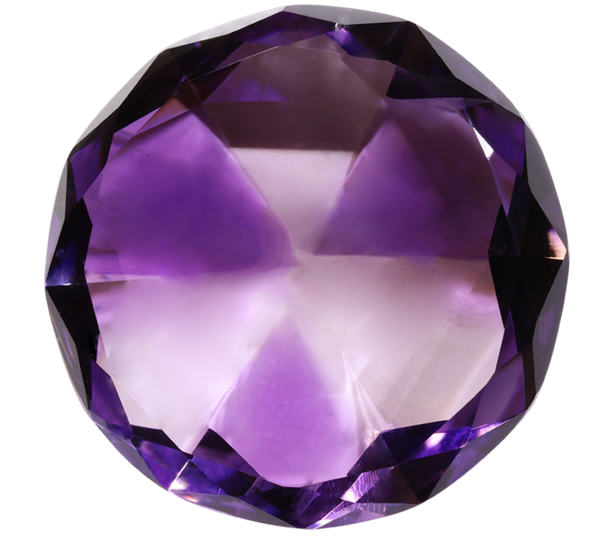
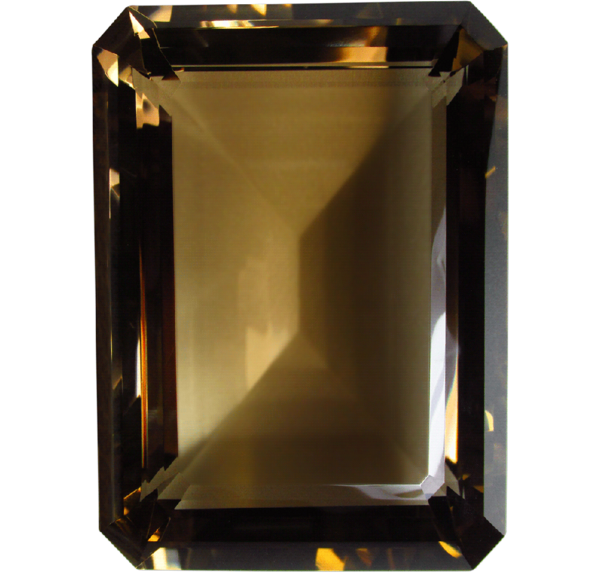
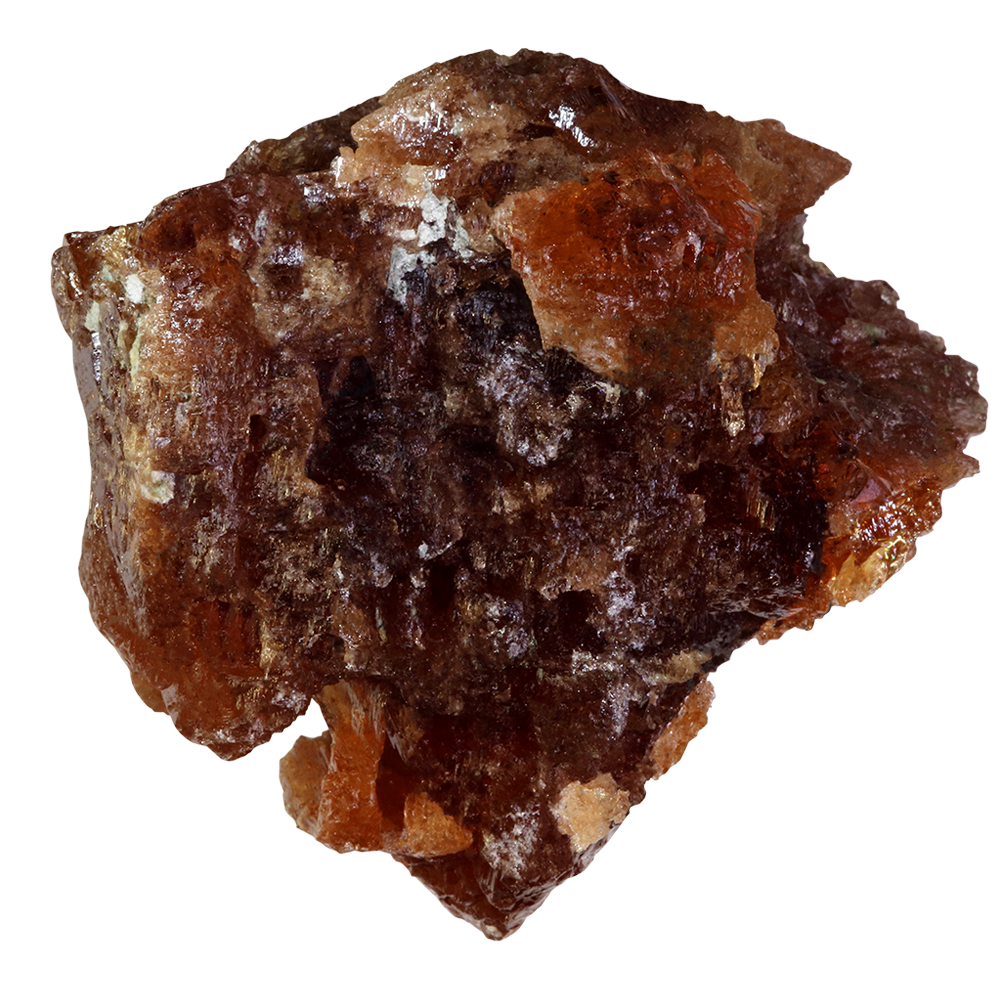
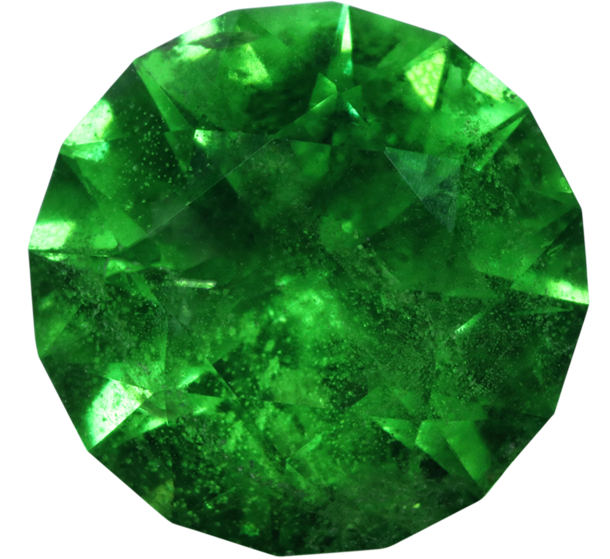
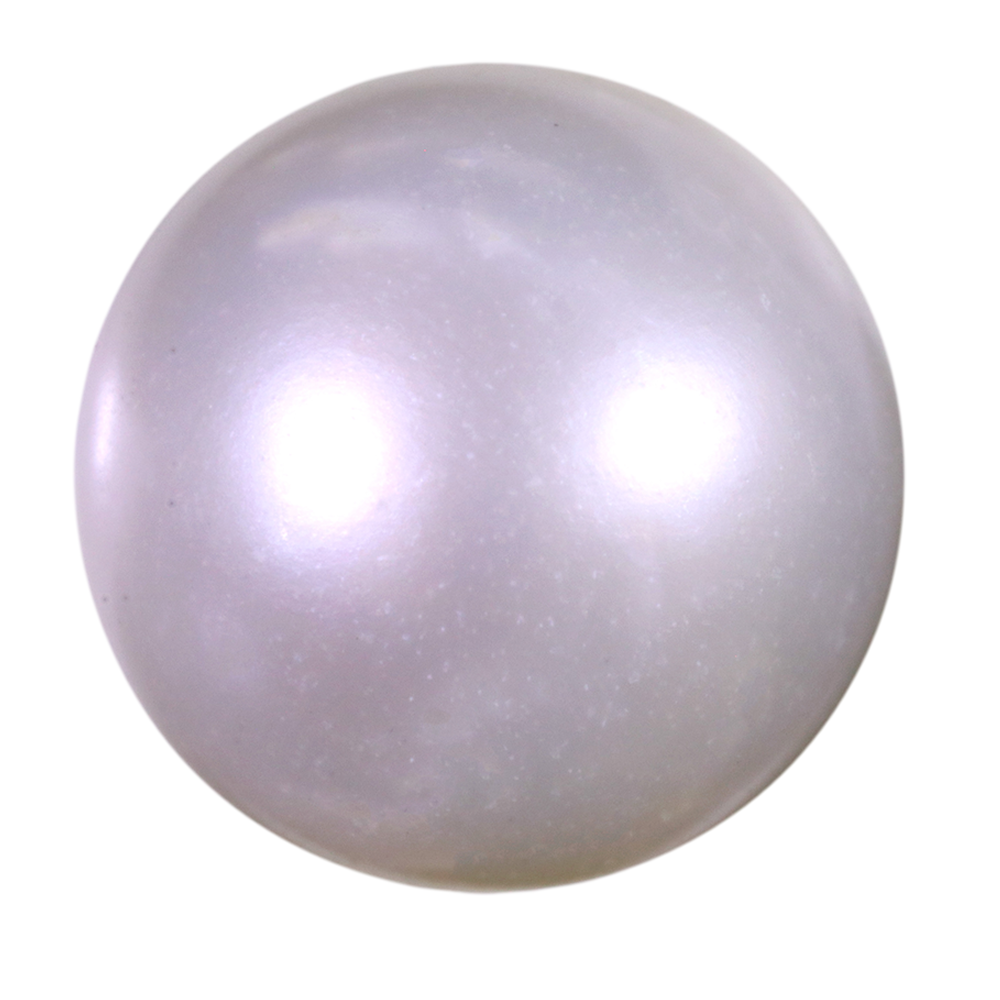
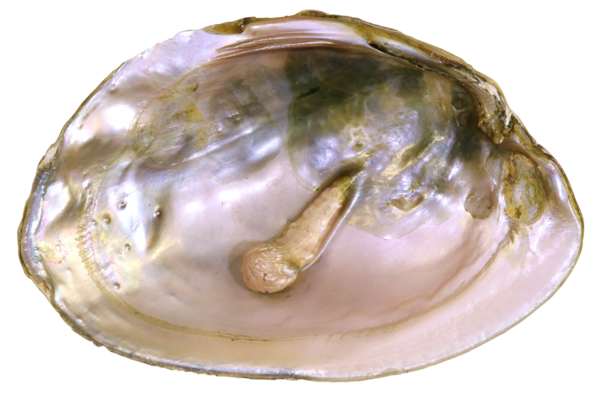
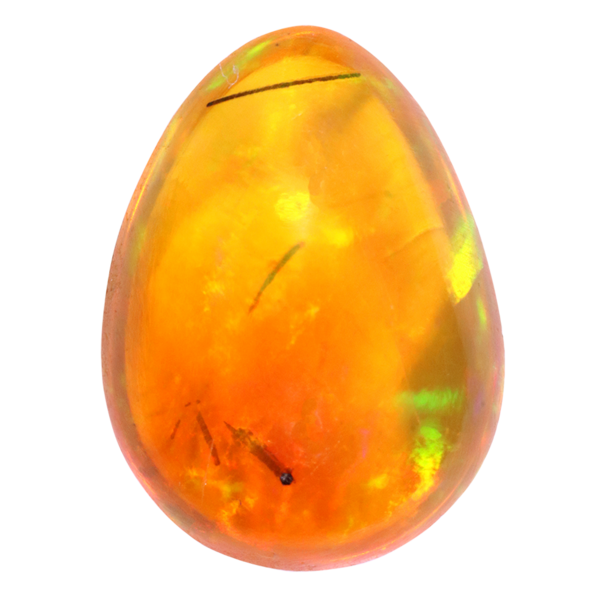
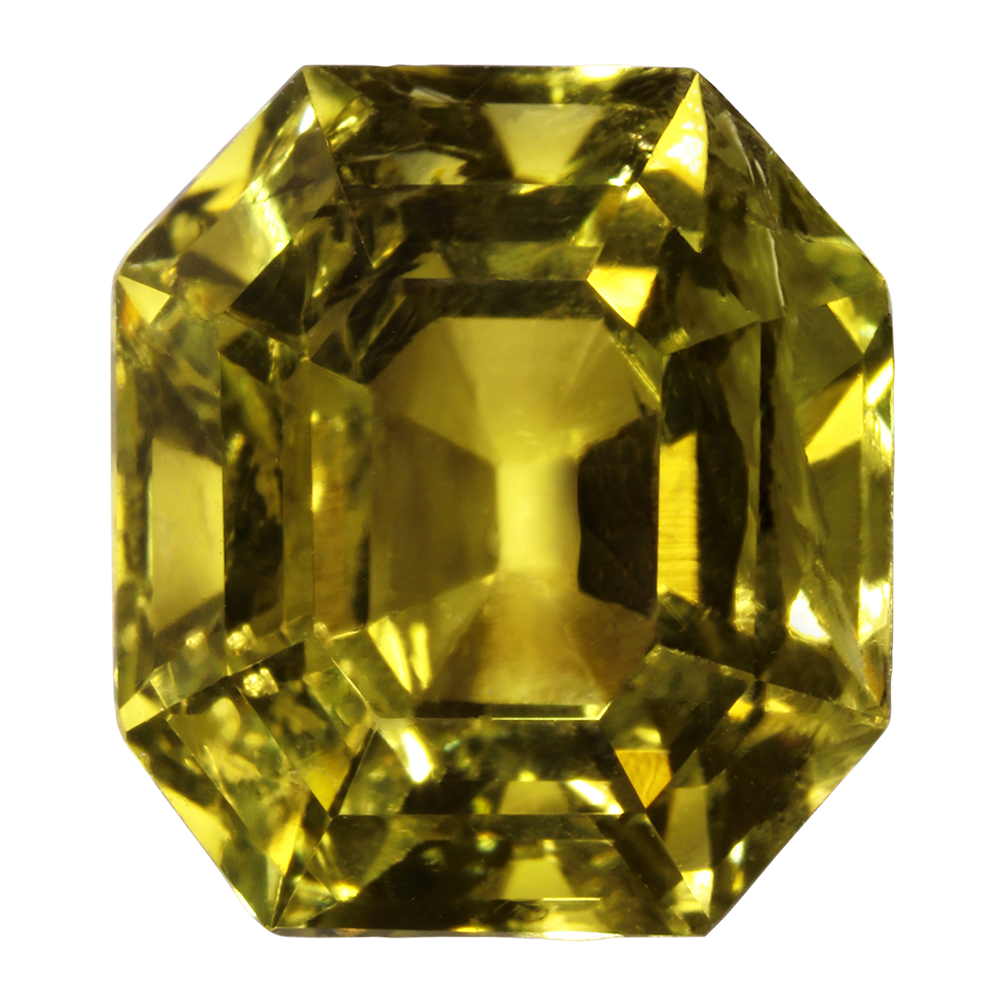
More than 2,000 gems, carvings, and jewelry pieces are on view. Explore a few below.


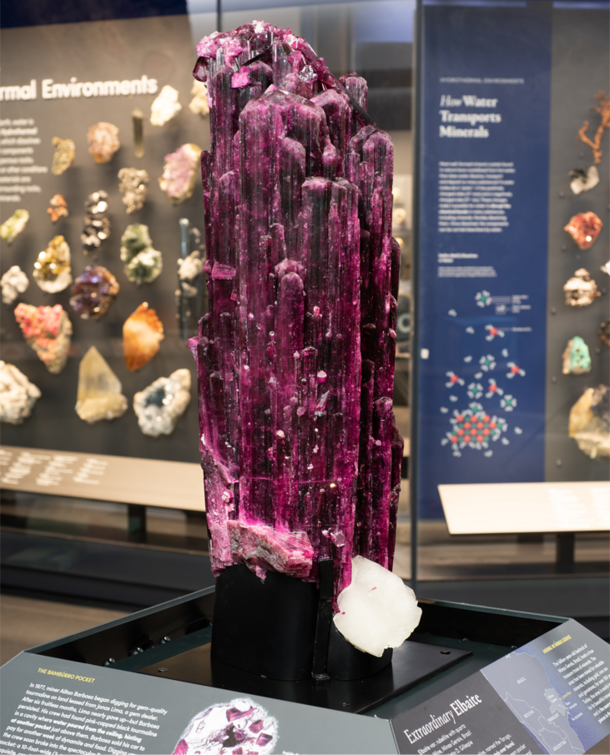
Ice Cold: An Exhibition of Hip-Hop Jewelry celebrates hip-hop’s cultural influence through stunning jewelry worn by some of its iconic stars.
 Photograph by Janette Beckman, Courtesy of Fahey/Klein Gallery
See this dazzling suite of 240 diamonds representing every variety of fancy colored diamond in existence, known as the Butterfly of Peace, on view in the Mignone Halls of Gems and Minerals.
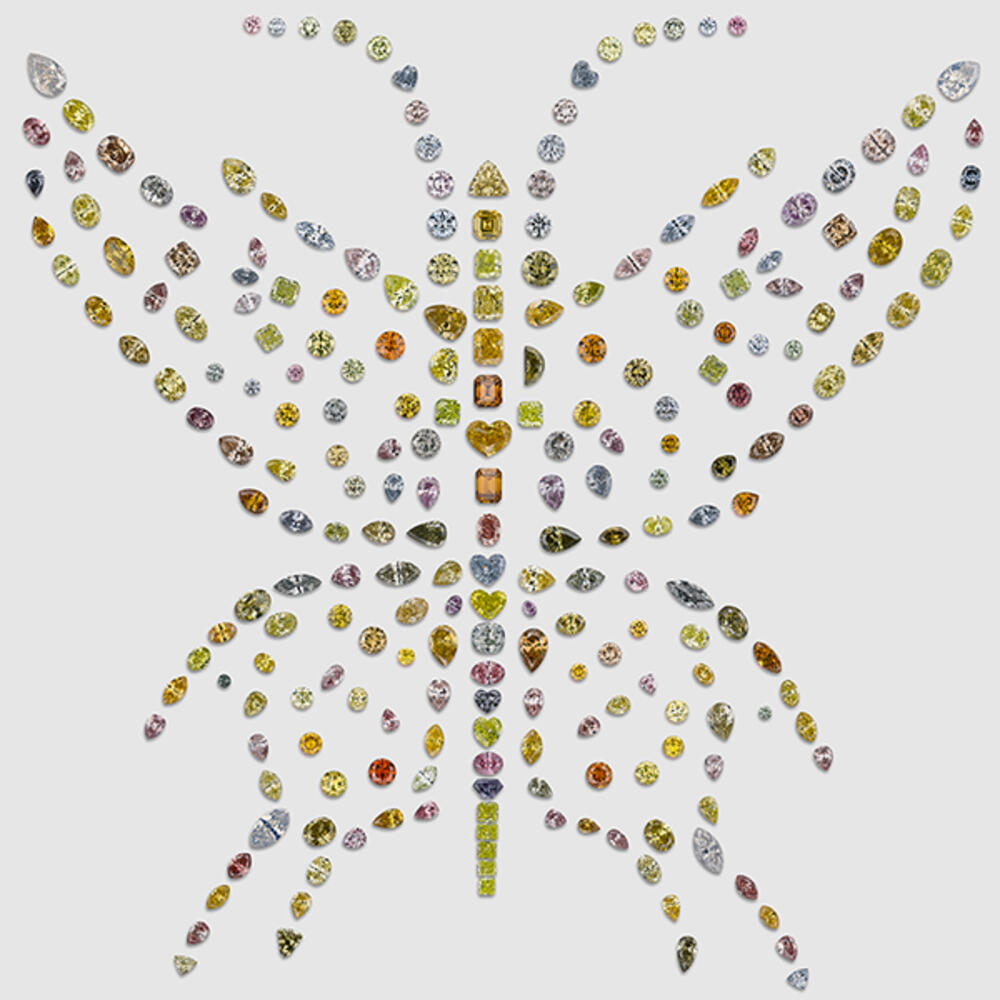 Photo by Robert Weldon/© GIA
The Museum gratefully acknowledges Allison and Roberto Mignone for their leadership support of the redesigned Halls of Gems and Minerals.
Generous support has been provided by Melissa and Keith Meister, the Arthur Ross Foundation, Kenneth C. Griffin, and David Yurman.
Additional support has been provided by the John & Amy Griffin Foundation and the City of New York.