Gobi: The Next Generation
© D. Barta
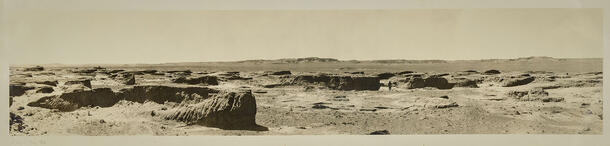
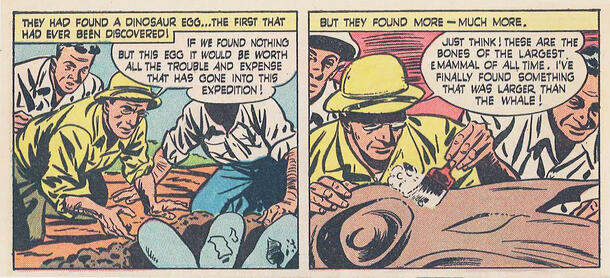
Legendary fossil hunter Roy Chapman Andrews first ventured to the region in the 1920s, leading a series of expeditions that would go down in the annals of paleontology and pop culture alike. Alongside colleagues like Henry Fairfield Osborn and Walter Granger, he not only discovered new species of fossil dinosaurs and mammals—including the largest land mammal ever to walk the Earth, Paraceratherium—but also unearthed the first clutch of dinosaur eggs in 1923.
A long hiatus followed after Mongolia, which became a Soviet satellite in the 1920s, closed its borders to Western scientists at the end of the decade. As Soviet influence began to wane in the late 1980s, the Mongolian Academy of Sciences reached out to the Museum, re-launching annual expeditions in 1990.
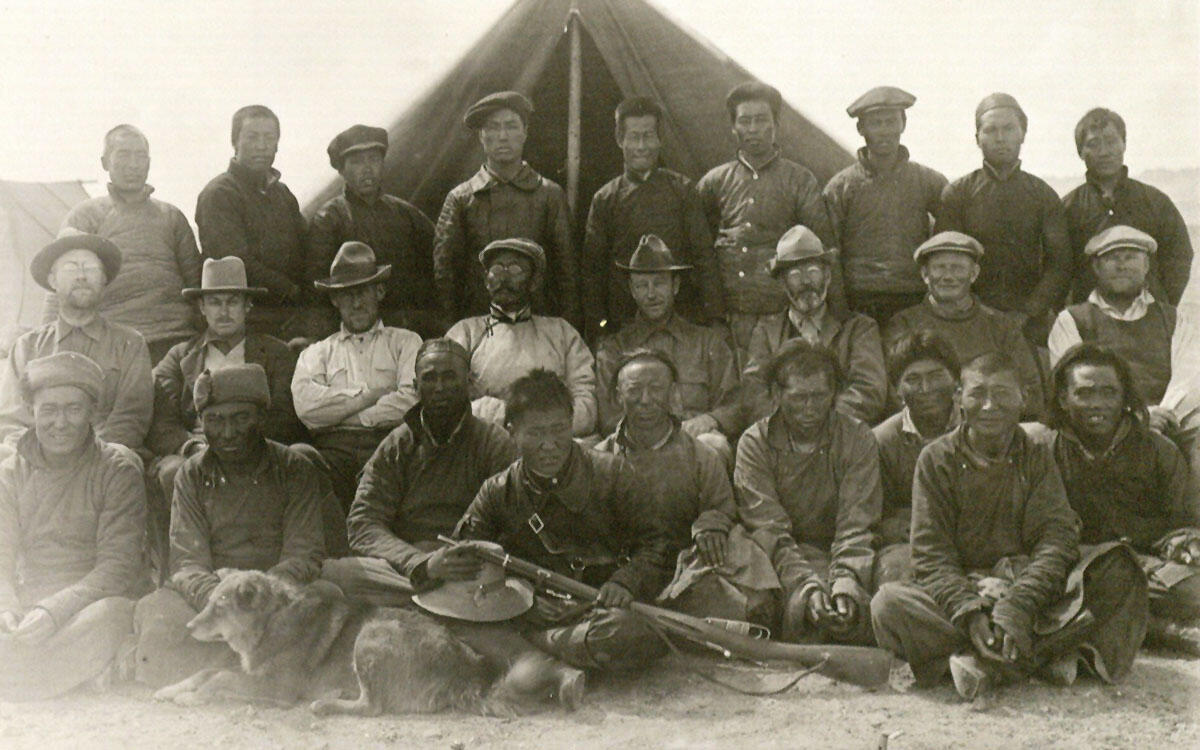
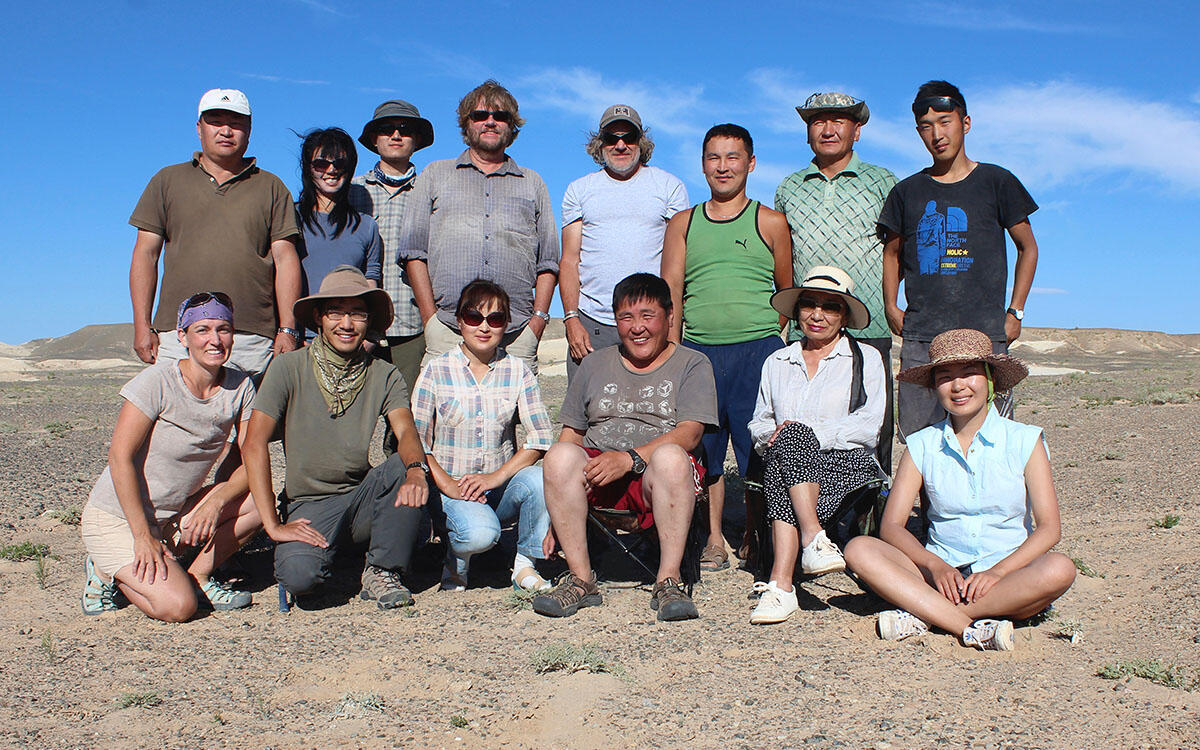
R.C. Andrews/© AMNH; S. Goldberg/© AMNH
Since then, generations of Museum paleontologists have made their bones—and found more than a few—in sites all around the Gobi, such as the extraordinary Ukhaa Tolgod. One of the world’s richest locations for dinosaur, lizard, and mammal fossils, it was discovered in 1993 by a team that included Curators Mark Norell(now Macaulay Curator and Chair of the Division of Paleontology) and Mike Novacek (now Provost of Science at the Museum), and visited by researchers regularly since. Today, expeditions to the fossil fields of the Gobi are also an important rite of passage for Ph.D. students studying paleontology at the Museum.
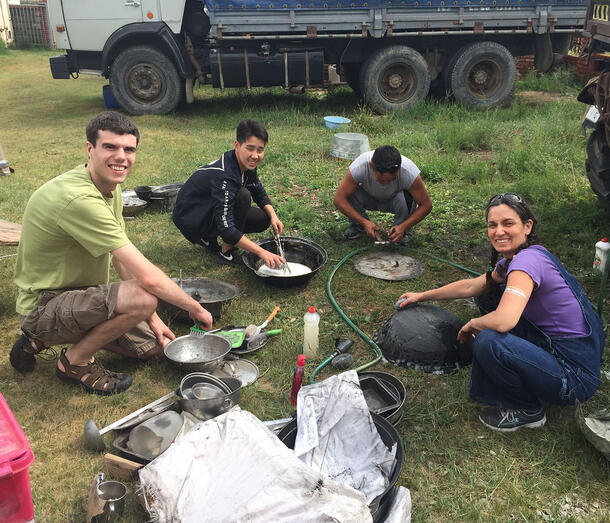
Danny Barta, a doctoral student at the Richard Gilder Graduate School, first traveled to Mongolia in the summer of 2015, looking for fossils of Haya griva, a dinosaur species described by Norell and others in 2011. Here at the Museum, Barta had studied specimens and casts of the animal, a two-legged herbivore with a small beak that he says “would probably have been rather cute." But as valuable as the Museum’s collections and casts are, there’s no substitute for unearthing a fossil in the field. (Fossils found in Mongolia today are considered Mongolia's national treasures, but some are brought back to New York temporarily for preparation and study, and even exhibition).
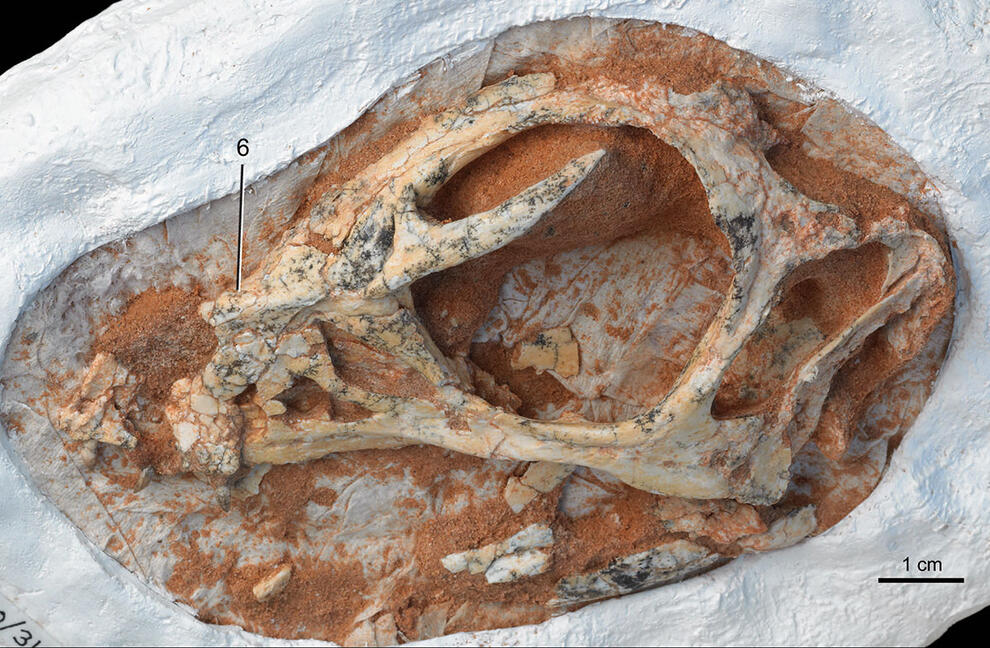 Among the fossils Museum researchers have discovered in the Gobi is this skull from the dinosaur Haya griva.
M. Ellison/© AMNH
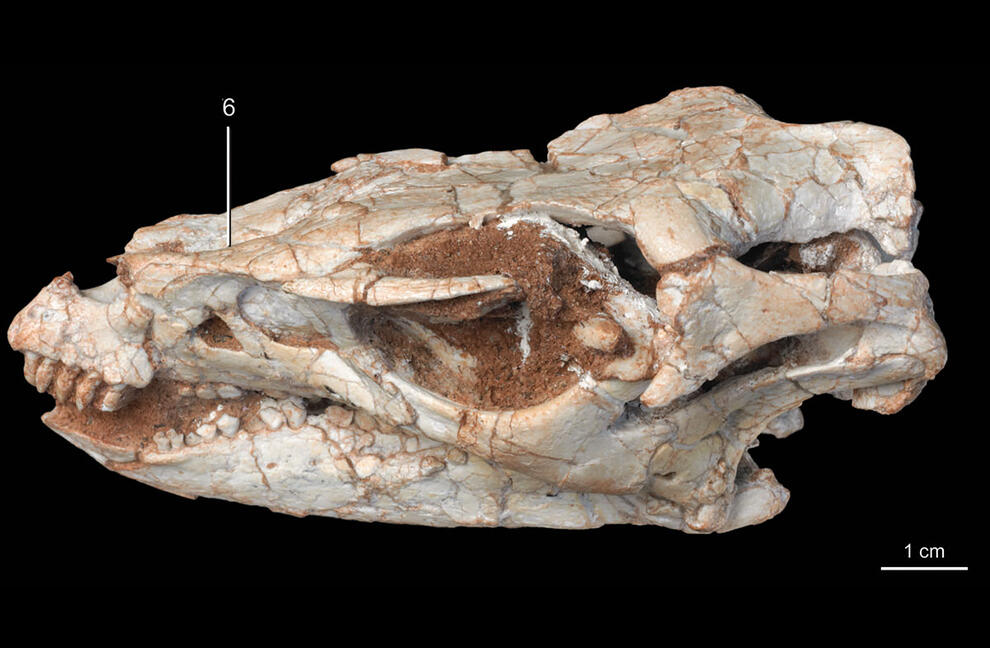 The holotype specimen of Haya griva.
M. Ellison/© AMNH
Barta's visits to a pair of Mongolian fossil beds provided the opportunity to collect new specimens and learn more about the context of the Haya griva fossils, informing a study about the geological age and geographic distribution of the dinosaur published in the journal American Museum Novitates. They also gave Barta the chance to learn a little Mongolian from researchers there who have been collaborating with the Museum’s expeditions for decades.
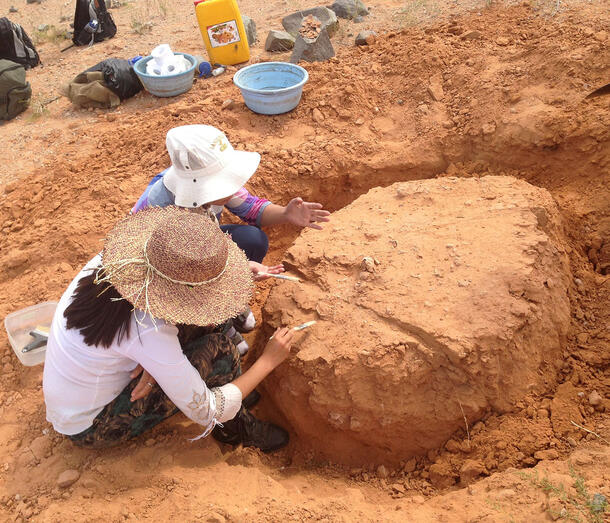
While the Gobi’s canyons and cliffs serve as time capsules for prehistoric fossils, the desert itself continues to change. In 2016, Museum researchers returned to the Flaming Cliffs—the famous site where the Andrews expedition first unearthed dinosaur eggs—even though the locale is no longer a hotbed of research.
After decades of digging by paleontologists and tourists alike, the rich earth here still yields some fossils, though paleontologists are not likely to find anything as complete and pristine as in the days of Andrews and his colleagues.
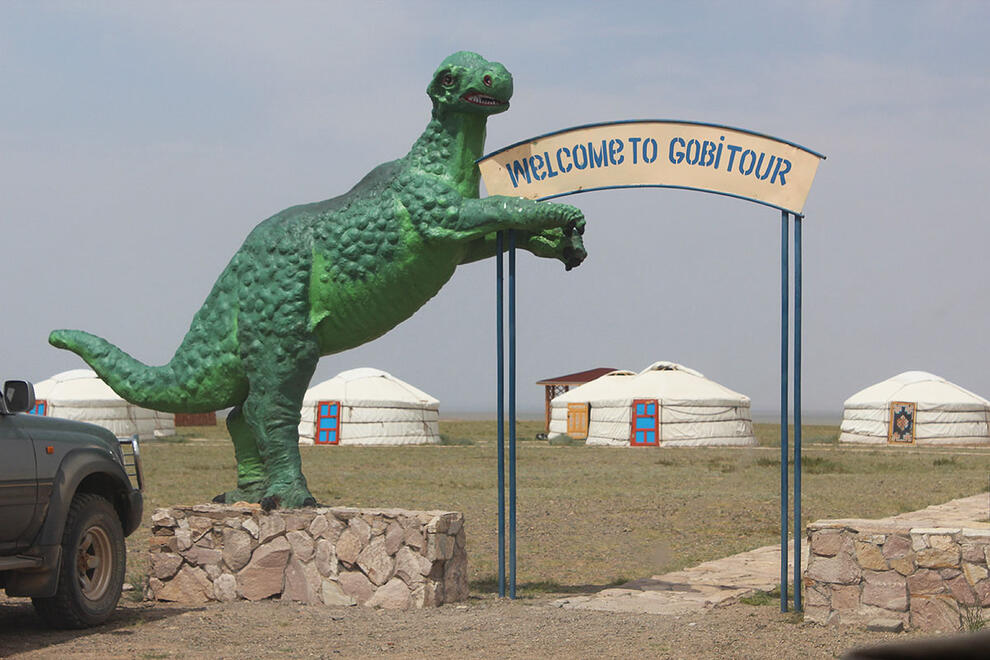 A dinosaur welcomes tourists to a camp at the Flaming Cliffs.
S. Goldberg/© AMNH
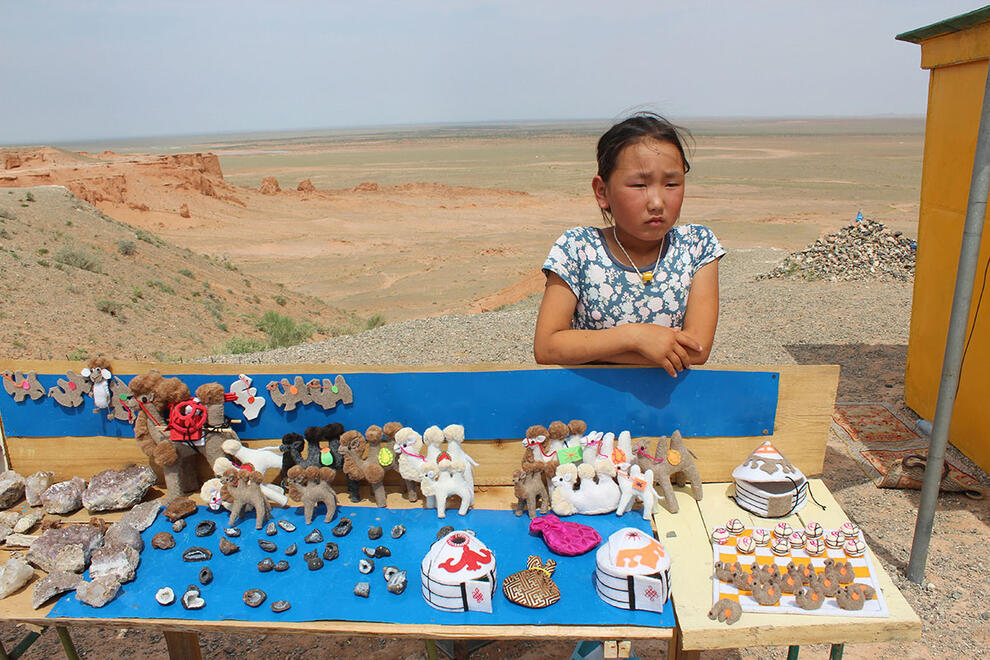 A vendor at her souvenir table at the Flaming Cliffs tourist market.
S. Goldberg/© AMNH
The site, once accessible only by camel train, is now linked by a road that leads to a tourist camp watched over by a friendly concrete dinosaur statue. At the top of the plateau, locals sell geodes, camel-felt dolls, and a variety of other trinkets from folding tables.
Still, the natural splendor of the Flaming Cliffs remains intact, says Suzann Goldberg, a researcher in the Division of Paleontology who has visited Mongolia every summer since 2013. Today's researchers are reminded of their formidable predecessors at every turn.
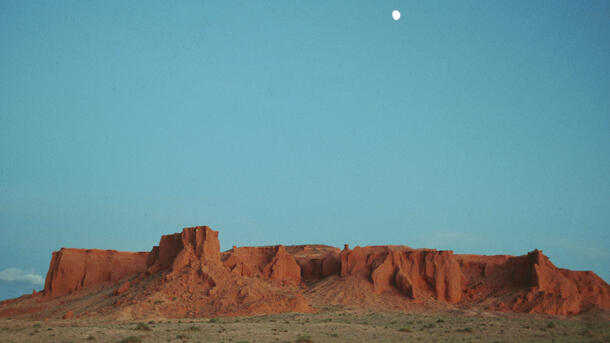
"It’s an enormous place that you navigate by this maze of narrow channels and steep ridges,” says Goldberg. “You can see some of the massive cliffs where Andrews and his team were excavating fossils, and you can’t help but wonder at how they did it.”
On the latest trip, when the afternoon became too hot for fieldwork, Goldberg read aloud to the team from Under a Lucky Star, one of Andrews’ many memoirs.
At night, screenings of archival footage from the 1920s expeditions were projected on the side of the truck. Those visions of the past prompted comparisons between early 20th-century field conditions and what paleontologists face today, which are not dissimilar—though Goldberg admits they weren’t quite as popular as other film selections, like Mad Max and Rush Hour.
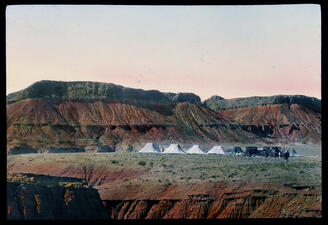
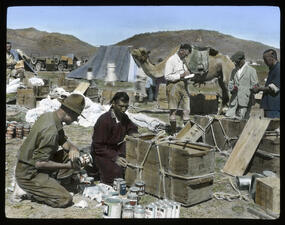
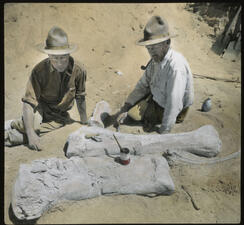
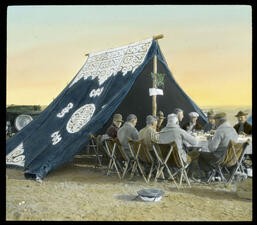
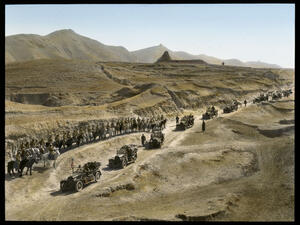
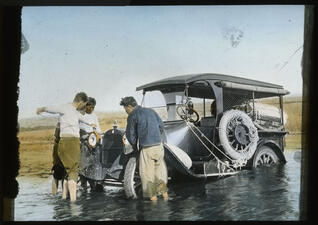
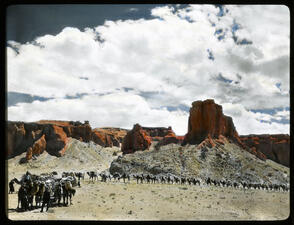
While the researchers can still find quiet nights and culinary adventures (camel cheese, anyone?) in the sands of the Gobi, Goldberg says some of the excitement—“especially the parts about riding on horseback and chasing away bandits, thankfully,”—is quite different.
Swap camels for trucks and telegrams for satellite phones, though, and the new generation of paleontologists making their pilgrimage to the Gobi are no less in awe of the desert and its fossil riches, maybe even more so.
“It’s really neat to be able to put your boots on these places that you’ve read about your whole life,” says Barta.
The AMNH-Mongolian Academy of Sciences expeditions are generously supported by the Margaret and Will Hearst Paleontological Research Fund.