How To Mount Dried Plants
Part of the Biodiversity Counts Curriculum Collection.
You've dried and perfectly pressed your plants. Now what? See how to mount and protect your specimens so you can study and enjoy them for years to come.
- Herbariums use 100 percent rag paper (usually 11 1/2 by 16 1/2 inches) and white library glue. Rag paper is expensive and hard to obtain (available from some biological supply houses), so you will probably want to use a good quality, fairly stiff white paper instead.
- Arrange the specimen on the paper and place dabs of glue in several places to hold it down securely.
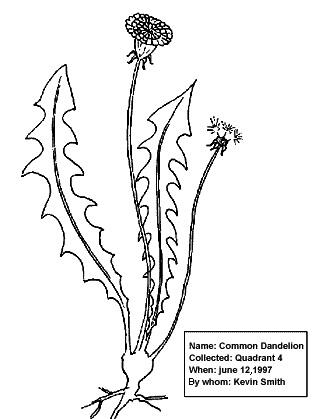
- Make a clean copy of the identification card and attach it to the paper in the lower right-hand corner.
- Put the mounted plant in the freezer for a few days to kill any insects.
- As an added precaution, you can put the specimen in a clear plastic bag and put that into an opaque envelope. Sprinkle mothballs in the storage area to discourage pests. (Caution: Mothballs are poisonous. Handle with care and wash your hands afterward.)