LIFE SCIENCE
Genetics, Genomics, Genethics
Genetics and Bio-ethics

Science Photo Library/AGE Fotostock
How is our growing knowledge of the genome—the DNA that makes up our unique genetic code—opening tantalizing new frontiers in biology? What ethical issues are emerging due to these discoveries?
Explore a scientific frontier: how are scientists investigating and applying the information contained in genetic codes? Authored by world-class experts at the cutting edge of this young science, this six-week online course addresses the relationships between the underlying science of genetics, the study of genomes (genomics), and the social, ethical, and legal issues that this work gives rise to (genethics). Learners emerge with an understanding of the science and the technology behind breakthroughs like therapeutic cloning and the genetic modification of food.
This course begins Jan 18.
Spring 1 Session
COURSE COST
GRAD CREDIT
Explore a scientific frontier: how are scientists investigating and applying the information contained in genetic codes? Authored by world-class experts at the cutting edge of this young science, this six-week online course addresses the relationships between the underlying science of genetics, the study of genomes (genomics), and the social, ethical, and legal issues that this work gives rise to (genethics). Learners emerge with an understanding of the science and the technology behind breakthroughs like therapeutic cloning and the genetic modification of food.
Course Format
This online course is asynchronous, giving you the flexibility to complete weekly activities at your own pace. Essays, written by our authoring scientists, are supplemented by case studies, textbook readings, videos, interactive simulations, image galleries, and more. These resources provide the foundation for assignments as well as online discussions where you will exchange questions and ideas with course faculty and other learners. The course culminates in a final project, which is your opportunity to create activities that you can use with your students.

Biophoto Associates/Science Source
Connecting to Your Classroom
This course includes a variety of resources that can be adapted for use in your classroom. Participants frequently use course activities as a central component of their final project. For example, in this course you will use an interactive tool to simulate how a polymerase chain reaction produces millions of copies of a single strand of DNA.
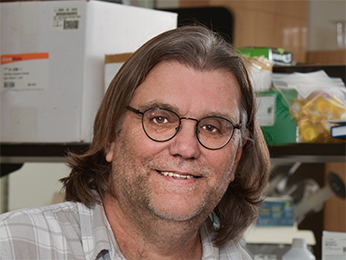
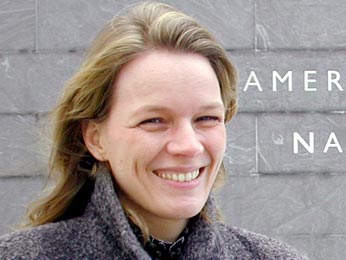
Course Authors
Recent Course Faculty

This course is co-taught by an experienced classroom teacher and a working scientist. With low faculty to student ratios, this powerful combination of scientific expertise and classroom application creates opportunities for discussions about the course content and how it can be taught.
Related Courses


This course begins Jan 18.
Spring 1 Session
COURSE COST
GRAD CREDIT
Investigating and discussing the ethics of the revolutionary concepts that have emerged in the field of genetics was a positive educational experience. The essays for week 6 were particularly interesting. Also, taking an online class was great—work submitted early in the week allowed a dialogue throughout the week. In addition, it was advantageous to have an entire week to finish up projects that took longer to complete. The instructors were very helpful with their comments; grades were submitted in a timely manner.
The very regular feedback from our instructor was great and forced me to become more current on the latest advances in modern genetics, something I've wanted to do but given my own time and schedule had not done. I really liked logging on and seeing what responses people had given to my posts from the day before. I felt there was a lot of interaction among the participants, and this kept me motivated to keep up with the readings.
Online discussion was so much better than face-to-face in a classroom. It gave me time to think about how to respond and to look up material to support my point of view. I was also able to evaluate more critically the responses of others and make thoughtful comments.