EARTH SCIENCE
The Ocean System
Physical and Biological Oceanography

Martin Zwick/AGE Fotostock
How does the ocean system shape the planet, regulate climate, and support life?
Investigate the physical characteristics of the ocean and the way its components—the atmosphere, hydrosphere, geosphere and biosphere—interact. In this six-week online course, authored by world-class experts, you will explore the origin of oceans, the incredible biodiversity supported by marine ecosystems, how ocean dynamics shape climate and weather, and the effect of human activities on the ocean system. Profiles of oceanographers show how technologies like ocean-going robots and core-drilling programs are shaping a new era of ocean exploration.
This course begins Jul 6.
Summer 2 Session
COURSE COST
GRAD CREDIT
Investigate the physical characteristics of the ocean and the way its components—the atmosphere, hydrosphere, geosphere and biosphere—interact. In this six-week online course, authored by world-class experts, you will explore the origin of oceans, the incredible biodiversity supported by marine ecosystems, how ocean dynamics shape climate and weather, and the effect of human activities on the ocean system. Profiles of oceanographers show how technologies like ocean-going robots and core-drilling programs are shaping a new era of ocean exploration.
Course Format
This online course is asynchronous, giving you the flexibility to complete weekly activities at your own pace. Essays, written by our authoring scientists, are supplemented by case studies, textbook readings, videos, interactive simulations, image galleries, and more. These resources provide the foundation for assignments as well as online discussions where you will exchange questions and ideas with course faculty and other learners. The course culminates in a final project, which is your opportunity to create activities that you can use with your students.

Reinhard Dirscherl/AGE Fotostock
Connecting to Your Classroom
This course includes a variety of resources that can be adapted for use in your classroom. Participants frequently use course activities as a central component of their final project. For example, in this course you will use a simulation to join an expedition in which you will look for a deep-sea hydrothermal vent located below the ocean’s surface.
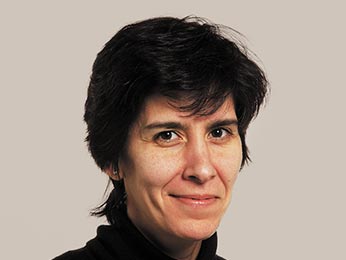
Course Authors

Recent Course Faculty


This course is co-taught by an experienced classroom teacher and a working scientist. With low faculty to student ratios, this powerful combination of scientific expertise and classroom application creates opportunities for discussions about the course content and how it can be taught.
Related Courses


This course begins Jul 6.
Summer 2 Session
COURSE COST
GRAD CREDIT
It was great having access to experts in the field of ocean science. It is rare to be able to talk so closely with people who are so greatly involved with ocean science.
I learned a lot of new information that will be helpful when teaching my students about the ocean. I loved how easy the weekly checklists were to follow.
I liked the interactives, especially Find a Vent. This exercise showed in a very active way, from the user's point of view, how tedious, time-consuming—and with an aspect of 'needle-in-a-haystack' towards a discovery—fieldwork can be. I thought this interactive conveyed the scientific inquiry process excellently. I feel it would be very successful with high school students.