



Graphic with a wood sign and lots of colorful flowers and leaves surrounding it. Graphic text reads: A Tropical Forest in Southeast Asia

How do the colors and shapes of this insect help them survive in their habitat?

Graphic with text that reads: Camouflage, blending into the habitat
Graphic with text that reads: Mimicry, blending like other animals
Graphic with text that reads: Startle, surprising predators!
Nope. Try again!
You got it!

Camouflage

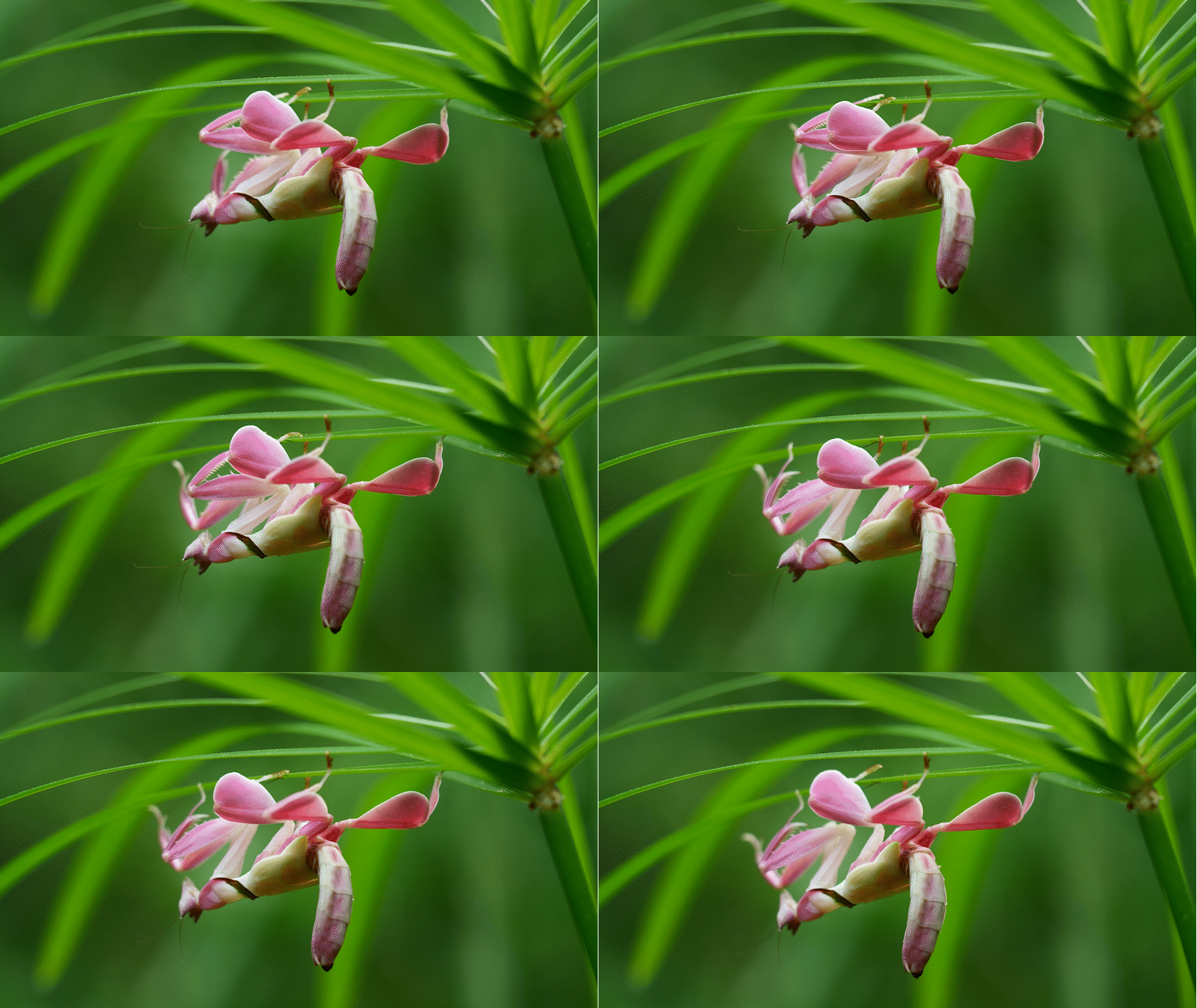
Watch out, little bee! That pink patch at the top of a tree may look like a cluster of orchid flowers full of sweet nectar, but it’s not. It’s an orchid mantis, ready to pounce!

This mini master of disguise moves with a swaying motion, like petals blowing in the breeze. Its petal-shaped back legs can change color to help it hide among the flowers. There’s only one in this picture because it’s territorial. It chases away other members of its species. It can use its back legs to glide up to 25 feet, farther than any other insect. It can turn its head 180 degrees to look for prey. When an insect flies close enough, zap! The orchid mantis grabs it with its spiny front legs. 

Conservation status? Orchid mantises, like other mantises, need protection because people trap them illegally to sell as pets. 

Discover another mini master of disguise.

Graphic button of a sign with leaves surrounding it. Text reads: Tropical Forest in South Asia
Graphic button of coins, coffee cup, and gravel. Text reads: Sidewalk in New York City
Graphic button of a sign with colorful flowers surrounding it. Text reads: Flower Garden in North America
Credits:

Orchid mantis, @iStockphotos; All illustrations, Zack Faust/@AMNH