



 Biodiversity
 Brain
Brain
 Genetics
 Marine BiOLogy
 MicrobiOLogy
 PaleontOLogy
 ZoOLogy
 AnthropOLogy
 ArchaeOLogy
 Astronomy
 Climate Change
 Earth
Earth
 Physics
 Water
Water
PLATES on the MOVE
Look around you. It may seem that Earth is perfectly still. But its outer shell or surface is actually moving all the time.
Earth's thin outer shell is broken into big pieces called tectonic plates. These plates fit together like a puzzle, but they're not stuck in one place. They are floating on Earth's mantle, a really thick layer of hot flowing rock.
The flow of the mantle causes tectonic plates to move in different directions. When the edges of plates meet, four things can happen:

slip
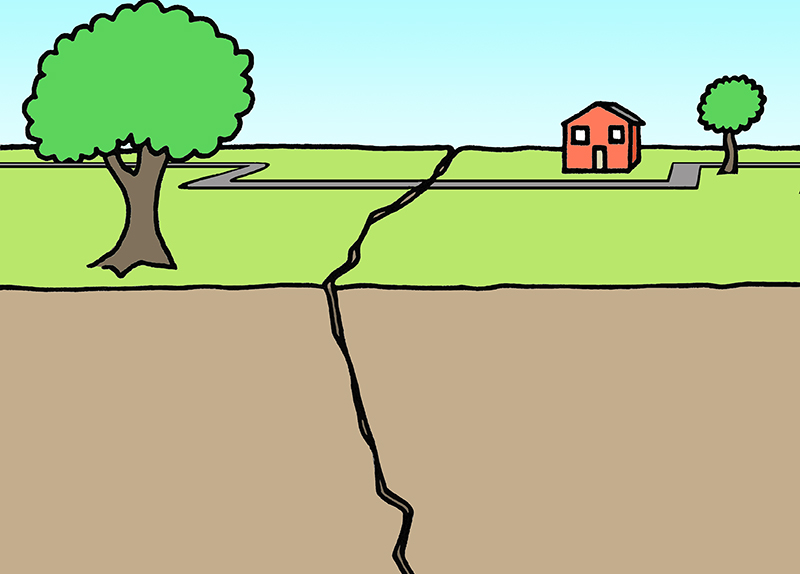

two plates slide
past each other

collision
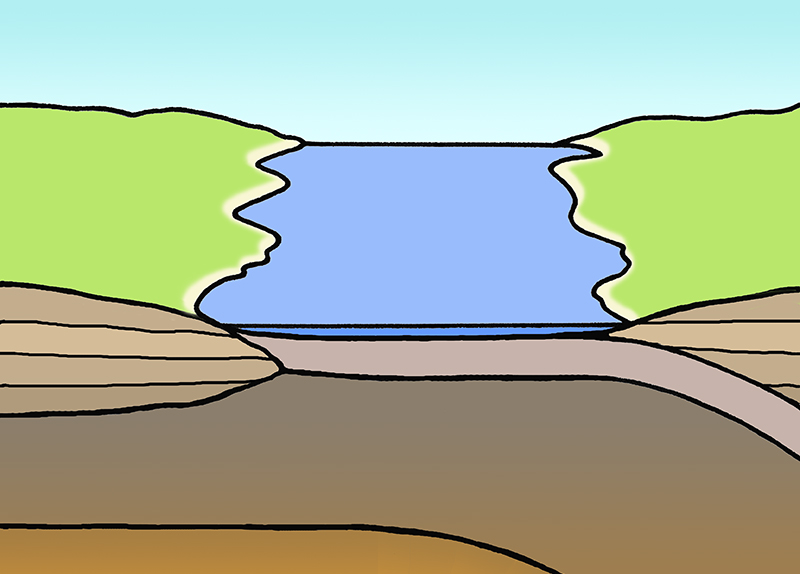

two plates crash
and fold up

spreading
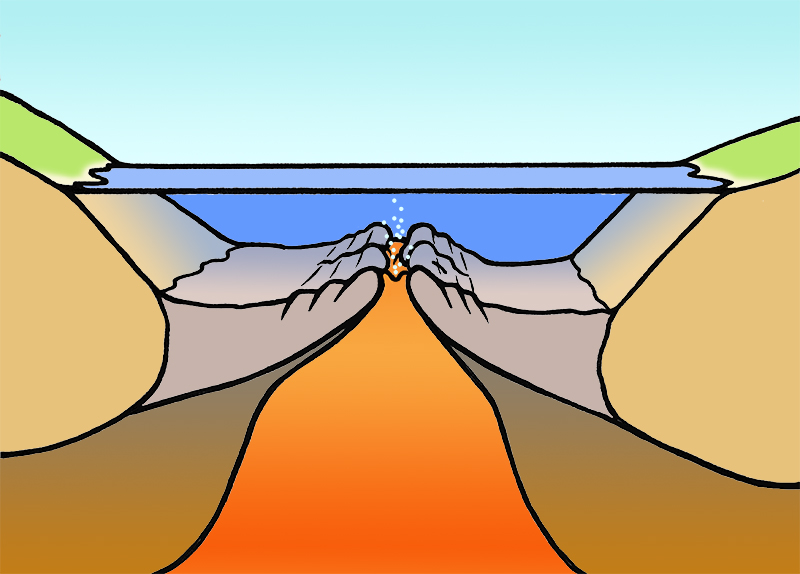

two plates move apart
from each other

subduction
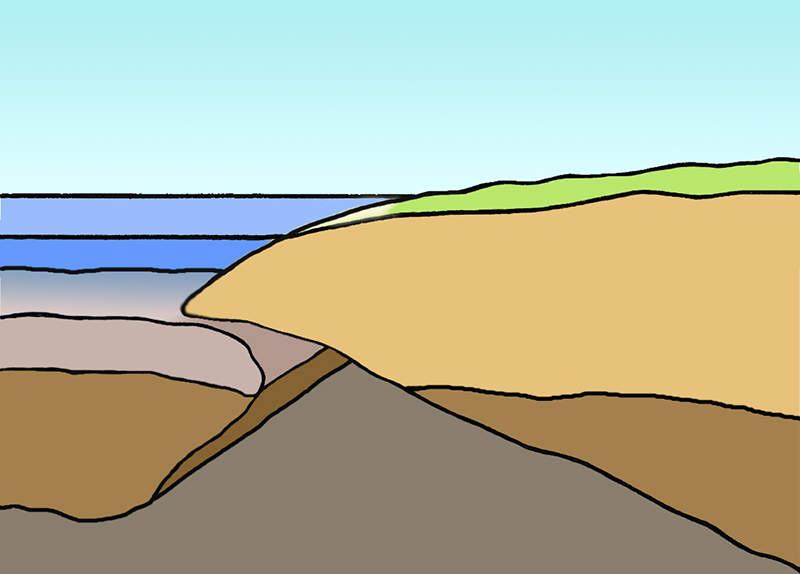

one plate sinks
below the other
Even though plates move very slowly, their motion, called plate tectonics , has a huge impact on our planet. Plate tectonics form the oceans, continents, and mountains. It also helps us understand why and where events like earthquakes occur and volcanoes erupt.
Want to explore how plate tectonics affect our world?

Read more about the
Power of Plate Tectonics
Credits:
Illustrations: slip, collision, spreading, and subduction, © AMNH/Eric Hamilton; Earth globe, © AMNH/Eric Hamilton
VIDEO CREDITS:
Images: World Map, courtesy of NOAA; Everest, Ivan Komarov via Wikimedia Commons/CC BY 2.0; Augustine Volcano, Cyrus Read, USGS, Alaska Volcano Observatory/CC0 Public Domain
Sound: Opening, ERH via freesound.org/CC BY-NC 3.0; mapping earthquakes, ERH via freesound.org/CC BY-NC 3.0; ending, CC0 Public Domain, ending, CC0 Public Domain; Earthquake, Presidencia de la República Mexicana via flickr/CC BY 2.0