Exhibition Preview (2:42)

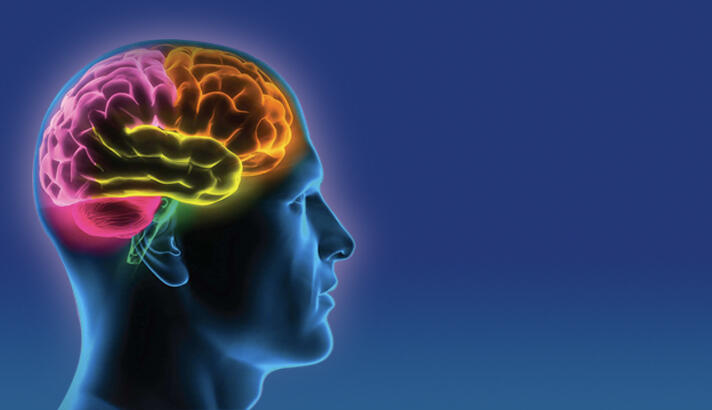
Hear from Rob DeSalle, Co-Director of the Molecular Systematics Laboratories; and Curator, Division of Invertebrate Zoology and Joy Hirsch, Director of the Program for Imaging & Cognitive Sciences and Professor, Columbia University as they walk through this new exhibition.

Building the Brain: Art Installation (1:59)

Watch as contemporary Spanish artist Daniel Canogar gathers materials that he will use in the creation of an enthralling walk-through installation for the American Museum of Natural History's upcoming exhibition Brain: The Inside Story. Canogar's installation is made up of a canopy of moving lights representing billions of firing neurons inside the human brain.

Building the Brain: Exhibit Interactive Prototypes (1:48)

Watch as Helene Alonso, the Museum's Director of Exhibit Interactives and Media, discusses the process of building Brain's interactive elements and discover how new technologies are employed in a museum environment through the use of interactive prototypes.

Building the Brain: Exhibit Models (2:01)

Watch as the museum's exhibition department builds various exhibit pieces, including a 5-foot-tall sculpted model of the brain. Various parts of the model light up as they are described in the narrative, helping visitors better visualize brain structure and function.

Language in the Brain (7:15)

The human brain is uniquely wired to produce language. Untangling this wiring is a major frontier of brain research. Peer into the mental machinery behind language with this feature video, which visits a brain-scanning laboratory, Columbia University's Program for Imaging and Cognitive Sciences, or PICS.

Thinking in Symbols (6:56)

When and where did human imagination first emerge? This Human Bulletin video follows the ongoing excavations of Christopher Henshilwood, an archaeologist who is seeking the earliest evidence of our species' unique mental powers.

Scientists Map Human Brain Connections (Slideshow)

The human brain contains about 100 billion interconnecting neurons, or cells that create and transmit messages. Scientists are just beginning to understand how this extremely complicated organ is "wired" to process information and relay commands to the body.

Paleontologists Find Rare Fossil Brain (Slideshow)

A team of French and American paleontologists—including John Maisey, curator in the Division of Paleontology at this museum—has made the unexpected discovery that brains can fossilize. In a rock from northeast Kansas, the team found the fossilized skull of a 300-million-year-old fish with a brain-shaped structure at its center.

Roche AMNH AMNH AMNH AMNH AMNH