Extreme Extinction
Part of the Extreme Mammals exhibition.
Ninety-nine percent of all mammals and other species that have ever lived are extinct. That's right--gone forever. Extinction is always happening. It's a natural part of the history of life. But every once in a long while, a great number of species disappears rapidly--something scientists call a mass extinction. Five mass extinctions are known to have occurred in Earth's history, but when are we due for the next one? Well, it turns out, it might be occurring right now.
Starting about 100,000 years ago, large mammals and other species began to disappear more swiftly than normal as humans spread from Africa to other continents. Then, the extinction rate sped up beginning about 12,000 years ago and continues to accelerate today. Many scientists think that these extinctions may be leading to another mass extinction event--called the Sixth Extinction.
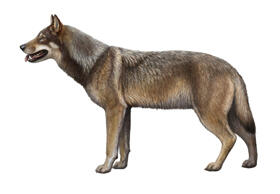
Along with ground sloths, saber-tooth cats, and dire wolves, many other large, astonishing mammals roamed North America until about 12,000 years ago. There were beavers the size of grizzly bears and short-faced bears that stood 11 feet (3.4 meters) high. Woolly mammoths and mastodons strode the Earth--even camels and zebras were common. But they all died out at the end of the last Ice Age. What caused all those massive North American mammals to become extinct?

Humans first arrived in North America about 15,000 to 20,000 years ago. Not too long after, many of these large mammal species went extinct. This pattern recurs on many other continents and islands: as humans arrive, other mammals disappear. But did humans cause these extinctions? Besides overhunting by humans, scientists have proposed several competing hypotheses such as climate change, killer plagues, and a comet impact or atmospheric explosion. It is likely that a combination of factors--not just humans--are responsible for the extinction of these large mammals in North America about 12,000 years ago.
Fun Facts
- Mass extinctions have happened at least five times during the past 500 million years. One of the most famous occurred about 65 million years ago, when large dinosaurs disappeared in a flash.
- Americans killed bison by the millions, for their pelts and other reasons. But during the early 1900s, concerns about their impending disappearance prompted the reintroduction of captive herds to special preserves--the first mammal reintroduction ever undertaken. Today, bison are raised on ranches for meat--and, happily, 20,000 bison freely roam the Western Plains.
- During the past 500 years, at least 75 mammal species are known to have died out, with many more barely hanging on. Today, about 25 percent of living mammal species are threatened with extinction.