Climate Wall
Change is already visible. Severe droughts, storms and heat waves are becoming more common. Global sea level is rising as the ocean warms and ice sheets melt, leading to more coastal floods. Climate is changing and we are seeing the consequences.
The contents of this page are featured in the Climate Wall, a dynamic digital exhibit in the Museum’s David S. and Ruth L. Gottesman Hall of Planet Earth. Data from NASA, NOAA and other sources highlights our changing climate, and how it affects life on our planet.
Interactive: Before and After
How Do Impacts Progress?
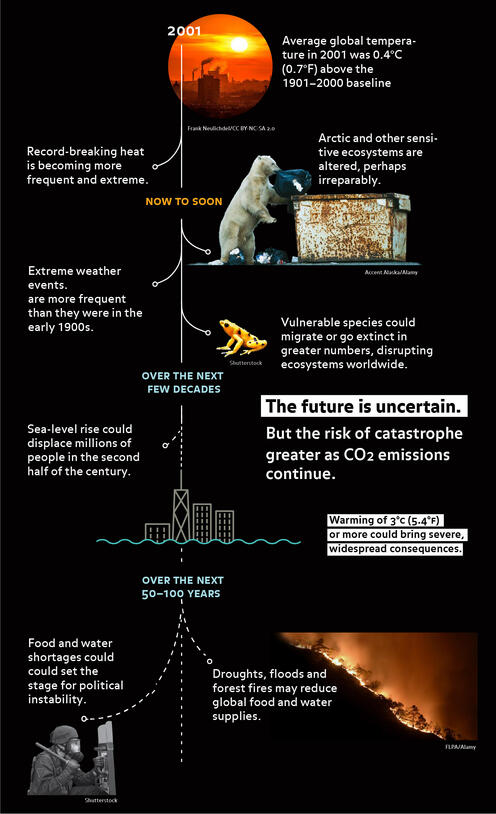
Some consequences of climate change are visible now, and more are developing over time and as warming increases. Without major CO2 reductions, rising temperatures may trigger severe impacts. What could this mean over the next 100 years?
Fingerprints of Climate Change
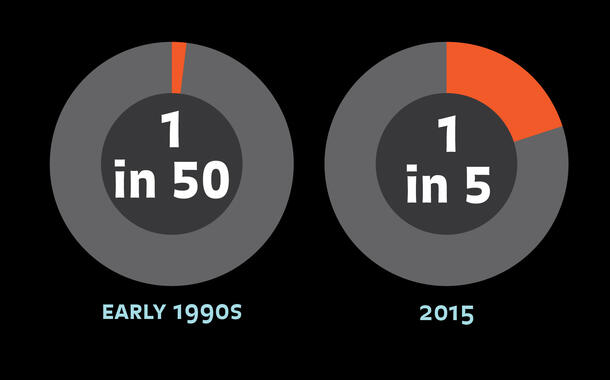
Because climate change can be gradual and influenced by natural as well as human causes, it is difficult to say whether a particular event was “caused” by human-induced climate change. But we can examine how the likelihood of an extreme event changes. Heat waves like the one in Europe in 2003, responsible for as many as 70,000 deaths, were rare during the last century. Unabated warming increases the odds that summers could regularly become as hot as the summer of 2003.

Interactive: Climate Change in New York City
New York and other cities are developing strategies to address the impacts of warming.
Why Are Seas Rising?
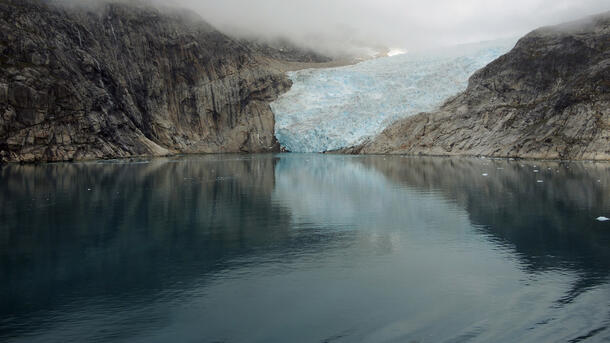
Globally, average sea level rose 21 centimeters (8.2 inches) between 1880 and 2009. Why? Water takes up more space as it warms, causing oceans to expand. In addition, mountain glaciers have melted, adding water from the land to the sea. The great ice sheets on Greenland and Antarctica are also shrinking rapidly, which suggests that over the next 100 years, sea level rise will take place even faster than in the 1900s.
Climate Change and Risk
We can see that climate is changing, but specific consequences are still unknown—for example, precisely how much sea level will rise. This means climate change presents risks that are uncertain, but potentially devastating. Efforts to curb emissions and adapt to a rapidly changing climate can help safeguard society against this uncertain future.
Yearly odds of an extreme heat wave in Europe
Interactive: How Will Our Lives Change?
Past Events and Future Risk
Natural changes in climate can also have severe consequences. In the late 1500s, a cool period known as the Little Ice Age began in the Northern Hemisphere. The 1600s, when temperatures were at their lowest, was marked by famine, migration and conflict. Today it is warming, not cooling, that threatens food production and could increase the risk of widespread strife.

Extreme Weather
As warming progresses, severe weather events that were once rare, such as heat waves, droughts and floods, will become more common. What’s more, the most extreme events of the future will be considerably more severe than they are today, posing serious risks to society.

Next Steps
The most dire consequences of climate change are not inevitable. Society can make choices now that reduce the chances of catastrophe in the future. Cutting CO2 emissions lessens the likelihood of some of the gravest potential consequences. Preparing infrastructure for sea-level rise and extreme heat now can help people and communities manage immediate impacts.
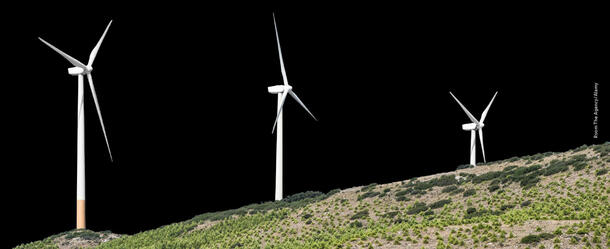
Our Warming World
Earth is warming, and evidence clearly points to human activity as the cause. The recent rise in global temperature has been observed in long-term measurements of the atmosphere and oceans. Current climate change–and its unusually rapid rate–is not apparent in one day or year. But over decades, an unmistakable warming trend becomes clear.
What Makes a Trend
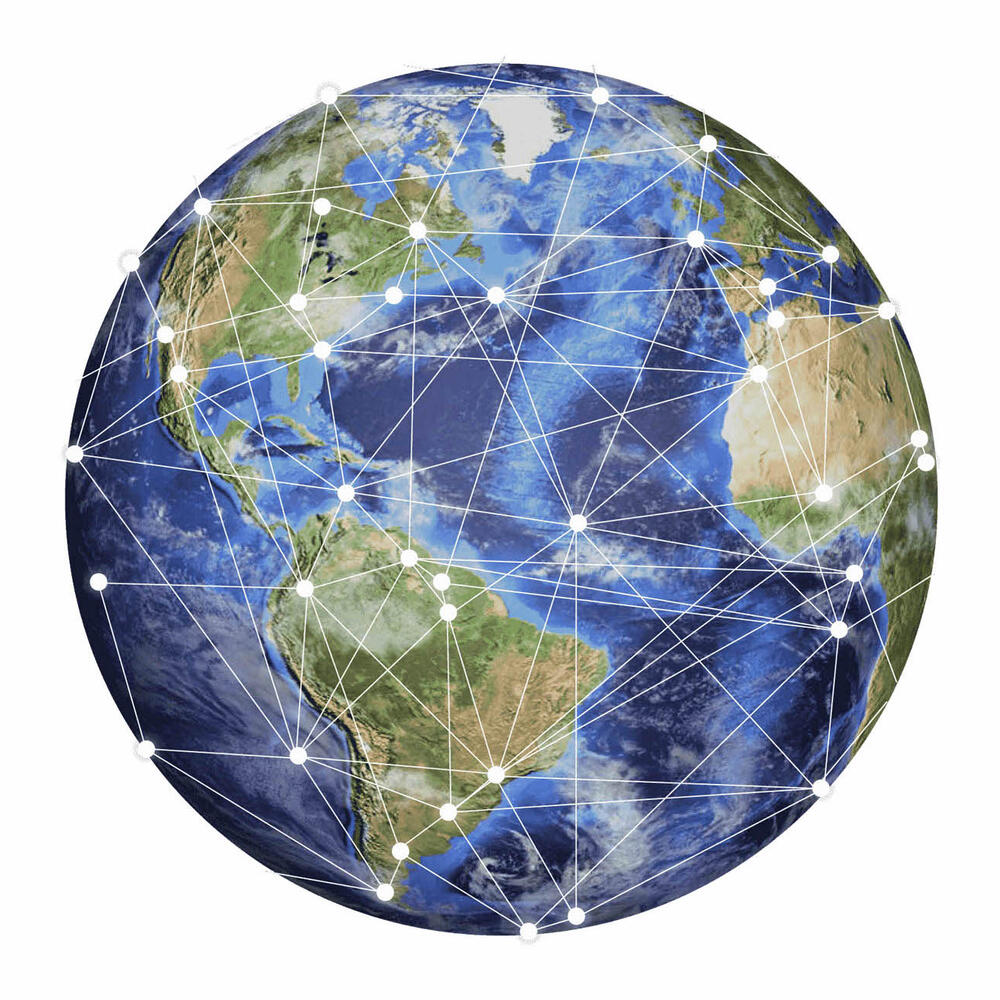
Evidence for climate change is not based on measurements from a single year or place. Many decades of data from instruments across the globe reveal an accelerated warming trend since the 1970s.
 Shutterstock
Interactive: Rising Global Temperature
Tracking Modern Temperature
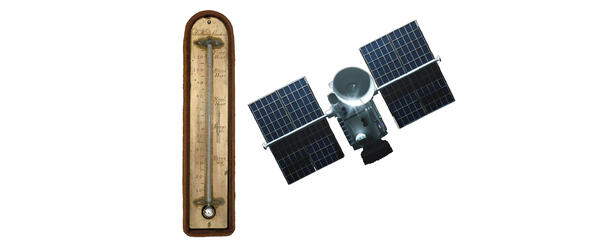
The Central England Temperature record dates back to 1659, making it the longest running temperature record in the world. Measurements from a single station may not reflect overall regional climate, so scientists use instruments spread throughout central England for the record. It is still updated daily by the UK Meteorological Office.
What’s Happening to the Arctic?
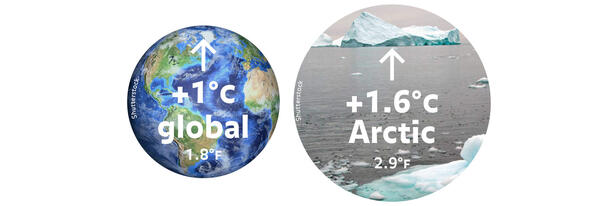
The warming observed globally is magnified in the Arctic. While worldwide average temperature climbed about 1°C (1.8°F) since 1900, the Arctic warmed by 1.6°C (2.9°F) over the same period. This is partly connected to the loss of sea ice and snow cover, which reduces how much sunlight is reflected off ocean and land surfaces. Warming threatens Arctic peoples’ livelihoods and endangers fragile ecosystems.
Increase in average temperature since 1900:
Interactive: Mapping Change
Causes of Global Warming
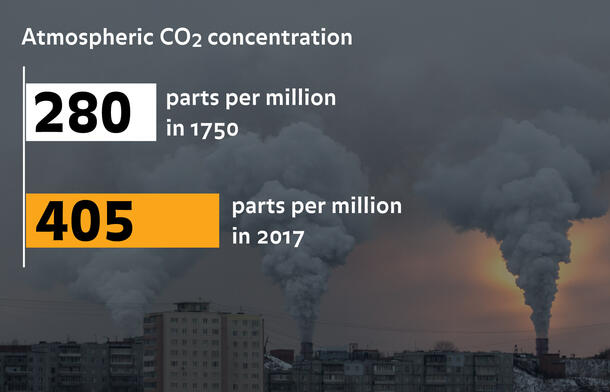
Human activity is warming the planet. Since the use of coal, oil and gas became widespread after 1750, humans have added about 2,040 billion metric tons (Human CO2 emissions, 1750–2011: 2,040 ± 310 gigatons) of heat-trapping carbon dioxide to the atmosphere, where it can linger for thousands of years. While burning fossil fuels is the main driver of warming, deforestation and cement production also contribute. The effects of rapid warming vary from region to region, but all of Earth’s systems are affected by climate change.
Major Sources of Emissions
- Cement Production: Raw materials used for making cement release CO2 during the production process.
- Forestry and Agriculture: Agriculture and loss of the world’s forests produce significant CO2 emissions.
- Fossil Fuels: Most CO2 emissions are from burning fossil fuels such as coal, oil and natural gas for producing electricity and heat, as well as for industrial processes and transportation
Natural Factors
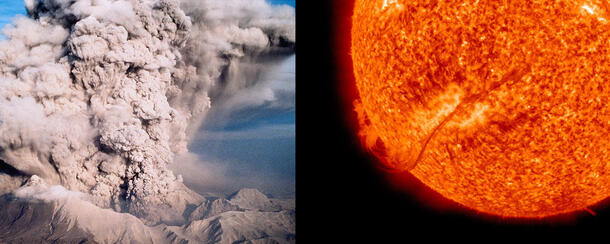
Climate varies naturally, so how can we distinguish between natural climate drivers and human causes? Many natural factors affecting climate, such as volcanic eruptions and changes in solar energy, are well understood—and they simply cannot account for the warming we see today. The only factor that explains the timing and magnitude of current warming is the impact of greenhouse gases released by human activity.
Interactive: What's Causing Climate Change?
The CO2 released today can stay in the atmosphere for thousands of years.
Fossil fuels form over several hundred million years from the carbon in deeply buried remains of organisms. Burning these fuels releases carbon into the atmosphere as CO2 in just minutes. Living things, oceans and rocks can remove CO2 from the atmosphere, but not quickly enough to balance fossil fuel emissions.
Our Changing Atmosphere
The level of CO2 in the atmosphere is higher than it has been in at least 800,000 years, and possibly the last three million years.
How Climate Works
Energy from the Sun drives climate by heating Earth’s surface unevenly. Solar energy is concentrated near the equator, delivering more heat to the tropics and less to the poles. Ice also reflects incoming sunlight, cooling the poles even more. The temperature difference sets the ocean and atmosphere in motion as they work together to distribute heat around the planet. Movement of heat by the atmosphere and ocean gives rise to climate and weather.
Interactive: Greenhouse Effect
Changing the Carbon Cycle
The carbon cycle has regulated CO2 levels in Earth’s atmosphere for billions of years. How is human activity changing the cycle?
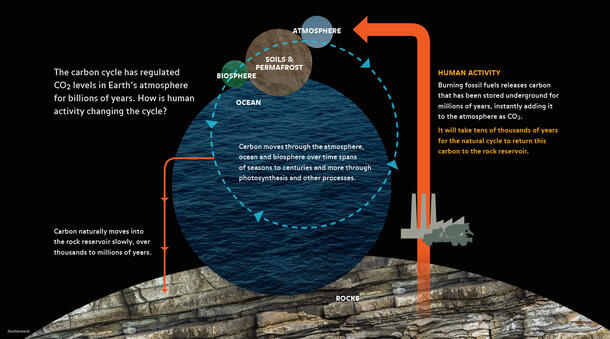
Human Activity
Burning fossil fuels releases carbon that has been stored underground for millions of years, instantly adding it to the atmosphere as CO2. It will take thousands of years for the natural cycle to return this carbon to the rock reservoir.
Carbon Imbalance
Carbon constantly moves between the ocean, atmosphere, biosphere and other components of the climate system. The natural exchange of carbon between these components, called reservoirs, regulates CO2 in the atmosphere, thereby stabilizing Earth’s temperature. Burning fossil fuels releases carbon into the atmosphere more rapidly than natural processes can remove it, disrupting the balance of the carbon cycle.
CO2 = carbon dioxide o=C=o
The Reason for the Seasons
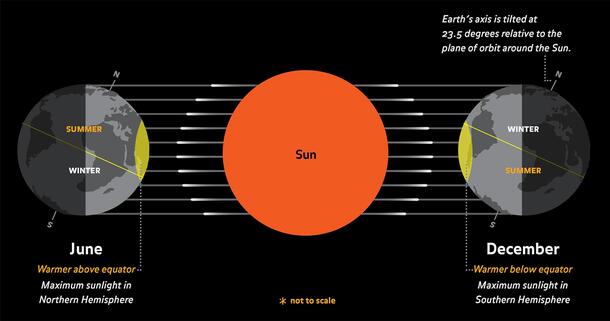
Earth has seasons because its axis of spin is tilted (see diagram). This causes the amount of solar energy warming each hemisphere to shift based on where the planet is in its yearly orbit.
Weather or Climate?
We experience weather every day and even moment-to-moment. It's why you choose to wear a T-shirt, sweater or raincoat. Climate is the average weather over decades or longer. How people build their homes, and what crops they grow are usually determined by climate.

A rainy day may inspire you to bring an umbrella–and if you live in a climate where storms and flooding are frequent, you may build your home on stilts.
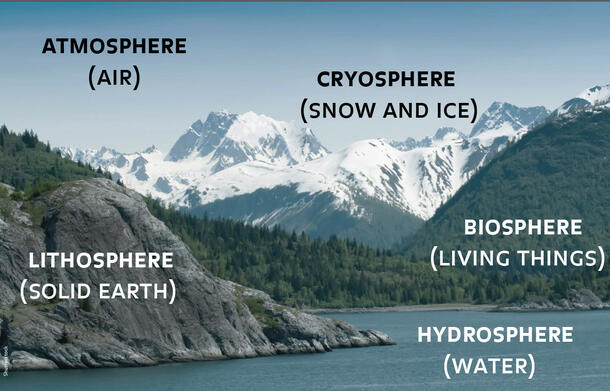
Components of the Climate System
Earth’s climate system is like a body: it relies on many interrelated pieces working together to function.
- Cryosphere (snow and ice): Cools Earth by reflecting incoming sunlight, limiting how much heat is absorbed by the surface.
- Atmosphere (air): Insulates Earth by trapping heat and transporting heat and water vapor.
- Lithosphere (solid earth): Absorbs solar energy, radiates heat and stores carbon; continents and landforms help direct ocean and wind currents.
- Biosphere (living things): Organisms take up carbon and exchange it with the atmosphere and ocean.
- Hydrosphere (water): The ocean absorbs heat and carbon, transports them around the planet and naturally controls atmospheric CO 2.
Interactive: Air and Ocean Currents
How Does the Ocean Control Climate?
The ocean holds 50 times more CO2 and 1,000 times more heat than the atmosphere.
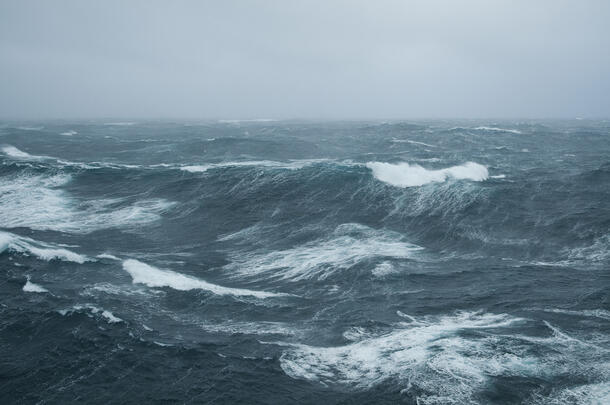
The atmosphere moderates Earth’s temperature through heat-trapping greenhouse gases, mainly carbon dioxide (CO2). But the ocean is also crucial to climate. It acts as a control knob, absorbing or releasing carbon and heat in response to changes in the atmosphere. It will take thousands of years for the ocean to absorb the excess CO2 in today’s atmosphere.